
The Changing Face of Christmas Music
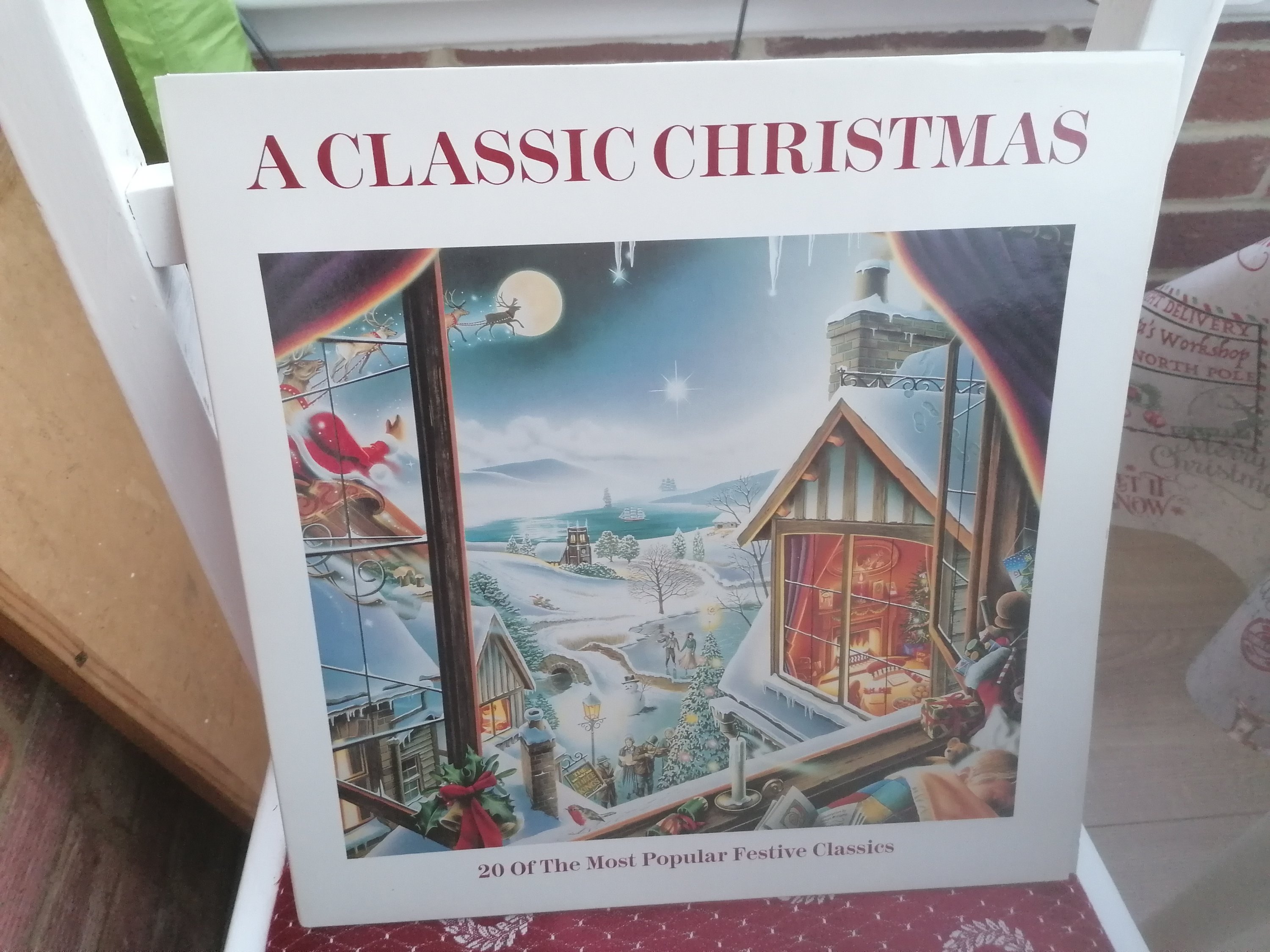
During the 24 days of Blogmas 2023 I have reviewed a number of very different types of Christmas music, as indeed I did last year during Blogmas 2022. It is an area that fascinates me from a Popular Culture perspective, as Christmas music is one area where the gatekeepers of ‘high’ and ‘low’ culture seem to be quite powerless to intervene. I put high and low in inverted commas purely because they are terms that mean whatever the speaker or writer decides they mean. There is a real cultural snobbery at large when it comes to Christmas music, and even music lovers who are live and let live at other times are more than happy to give their opinions about the quality, or otherwise, of Christmas music past and present. So, how did we get here? Join me on a whistle stop tour of the way that seasonal music has changed over the years, together with some observations from my own reading on the subject from a variety of sources.
The Earliest Christmas Music
As I observed when I reviewed my CD of Gregorian Chant the idea of music to celebrate the birth of Christ was codified at the end of the 6th Century. This meant that it had been in the common experience before then. Hymns like Veni Redemptor Gentium have been around since the 4th Century, as far as music historians can ascertain, and that’s just one of the musical fragments that have survived through chance. There will clearly be many other songs that have been lost to history. These songs were both devotional and instructional in nature. They celebrated the birth of Christ and they introduced, to those who could not read or write, the vast majority in those days, that story in a way they could easily access. For the first carols written in a language other than Latin, we turn to St Francis of Assisi who, in the 13th Century, collected devotional songs translated into the language of the population. The first set of carols written down in English date from the 15th Century, so clearly they were well known already and had been around for many years. Some of the songs we still sing, such as ‘God Rest You Merry, Gentlemen’ and ‘The 12 Days of Christmas’ were first written down in the 16th Century. The Puritans vehemently opposed the celebration of Christmas, considering it to be sinful. You can see in the approach they took to music in particular, the tone set for attitudes that persist to this day. This idea that popular culture in some way cheapens the celebration of the divine lies at the heart of the disdain for seasonal music we see to this day.
Classical Music at Christmas
The development of orchestral and choral works celebrating Christmas came to the fore in Europe towards the end of the 17th Century when the English were still wrestling with the complicated legacy of puritanism. Some of these early pieces contained devotional words. They required only limited musical accompaniment such as Corelli’s Christmas Concerto which was designed for string instruments that would have been accessible to many churches and wider communities. This was clearly designed to ensure that as many people as possible could hear it. In this way, the idea of Christmas music became more focused on listening rather than performing, as the original carols had been, which, in my opinion, was a very important step in how the genre developed.
The Victorians
The age of A Christmas Carol, Christmas Cards, Christmas Crackers and the Christmas Tree in the UK saw music brought to the fore, and that, for the Victorians, meant Christmas carols. The practice of Wassailing had fallen from favour, associated as it was with drunken singers going round to rich houses and demanding food and drink, often quite aggressively. This practice is of course referenced in ‘We Wish You a Merry Christmas’ which contains the lines,
Now bring us some figgy pudding, now bring us some figgy pudding, now bring us some figgy pudding and bring some out here. / And we won’t go until we’ve got some, we won’t go until we’ve got some, we won’t go until we’ve got some, so bring some out here!
Traditional
This Wassailing was replaced with the far more socially acceptable door to door carol singing. Money was still requested, either for charity or for the poor families themselves who were out singing, but a refusal merely meant that the carol singers moved on to another house. In this way, Christmas music once again became something you took part in, rather than listened to, for the general population. However, for the richer people, the gatekeepers of culture, classical oratorio like those written by Handel and Bach were a more socially acceptable form of seasonal music, played by professionals and listened to in silence, a view that is influential to this day.
During Victorian times, many carols from the past such as ‘The Holly and The Ivy’ and many new carols such as ‘Silent Night’ which have since become an integral part of our Christmas culture. They were not always religious in nature, but they were repurposed to reflect the importance of the festival where necessary. It is likely that it was this explosion of Christmas music in churches, and the fact that the story was much happier in nature, which led to the general public attaching far more importance to Christmas than to Easter. Amongst religious people there is a tendency to treat Easter as the more significant festival, though even here the Pagan forerunner of Easter, the celebration of the Goddess Eostre, was marked by the general giving and receiving of eggs, the symbol of new birth, and the iconography of lambs reflecting her probable place as the deity of Spring. It seems as though the religious, secular and Pagan are intertwined throughout the most important festivals of church and society.
The 20th Century
In cultural terms, the 20th Century Christmas had much more in common, musically speaking, with the Christmases of the Victorians and their ancestors than it did with our more familiar celebrations. Christmas Carols and classical music still dominated until after World War II, although in America the first stirrings of our modern secular Christmas can be seen in the 1930s and early 1940s. During a 10 year span from 1934 – 1944, the following songs were written
- Santa Claus is Comin’ to Town
- Winter Wonderland
- Carol of the Bells
- White Christmas
- The Little Drummer Boy
- Have Yourself a Merry Little Christmas
- The Christmas Song
It’s an impressive list of Christmas standards, and only two of them can be seen as religious in any way. The rest play with the iconography of Christmas including snow, snowmen, Santa Claus, fires and family gatherings. These songs became American Christmas standards long before they became Christmas standards around the world, but that was because of the extreme difficulty and prohibitive cost of getting hold of records from the US in those days.
These elements have become incredibly familiar and, I am sure that for many, when we see the Christmas season in our mind’s eye, it is always snowing, even though I have only seen it snow on Christmas Day once in my lifetime, in 1970. It was my first Christmas in England and I was assured by my parents in the lead up to Christmas Day itself, that it never snowed on Christmas Day, even in England! Apparently it was a few years before I stopped expecting it as a matter of course!
The second half of the 20th Century was when the Christmas record, be it a single or a whole album, became a must for many artists, and the Christmas variety special with Frank Sinatra, Bing Crosby, Dean Martin, Andy Williams et al became an integral part of the season. They sang the songs from the 34 – 44 decade mentioned above plus newer standards like ‘Rudolph the Red Nosed Reindeer’, ‘Rockin’ Around the Christmas Tree’ and ‘A Holly, Jolly Christmas’. Now, those three have one person in common, the songwriter Johnny Marks, who no doubt looked forward to his royalty cheques every January!
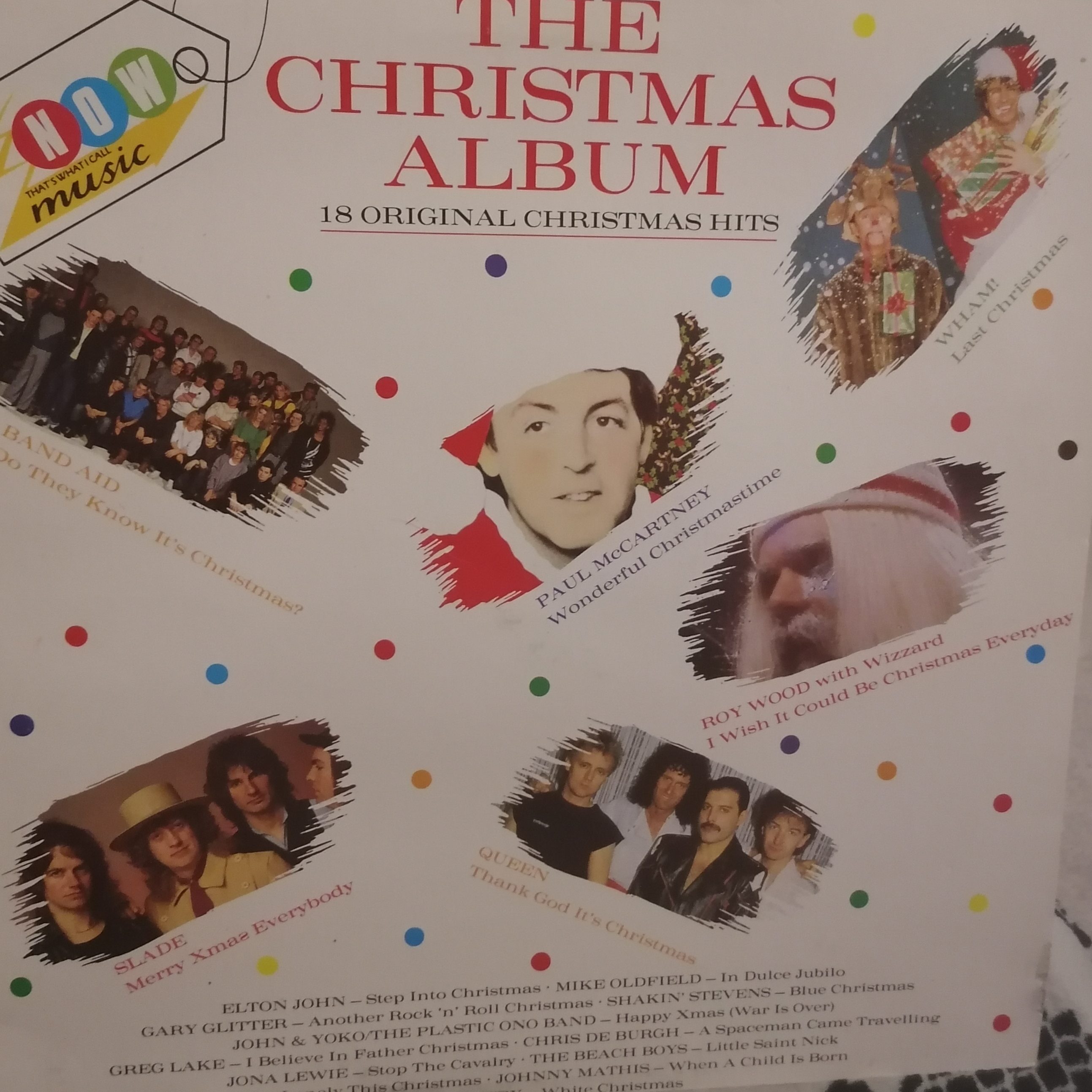
The UK Christmas record was a little bit later in starting, but after a few false dawns, along came the 1970s. Now I have written at great length about the Christmas Songs of my childhood and teenage years in my two H2G2 entries covering the 1970s and the 1980s which contains everything you could wish to know, and perhaps other things you don’t need to! If you’re interested in a deep dive into the season please take a look. Suffice it to say, the Christmas Number One battle between Slade and Wizzard made the top spot on December 25, a national obsession that has endured to this year (2023), despite the worst efforts of the appalling Ladbaby over the previous five years. The appearance of Last Christmas this week at Christmas Number One was undoubtedly the sign of the festive universe righting itself!
The 21st Century
What has been interesting in the era of streaming is how the Christmas pop record has come to totally dominate the festive charts particularly in the UK, with the same songs reappearing in the upper reaches of the charts year after year. If we look at the Christmas Chart of 2023 and compare it to the Christmas Chart of 2017 you will notice this phenomenon, one that has become more and more marked in the last decade. These chart positions are based on streaming figures, so they reflect what people are putting on their Christmas playlists, and it seems that all generations from Grandparents to Gen Z are listening to the same songs year after year as they have become an indelible part of our shared Christmas cultural heritage. They have not replaced the Christmas carols of previous centuries as the music of the season, but they are, I argue, far more significant nowadays. They carry the memories of Christmas with family and friends. Our children have grown up with those songs from their earliest days and they are word perfect on them, as are most of their friends. Their quality, or otherwise, is immaterial as they have become a cultural shorthand that epitomise the modern Christmas. The unfortunate by-product of this has been the huge difficulty new Christmas songs are faced with in terms of getting airplay against the avalanche of older songs. There have been some great new Christmas songs over the last decade, but if very few people are hearing them, how are they going to become the Christmas classics of future years? A perfect example of this is the brilliant My Kind of Christmas by Cats in Space, itself influenced by the 70s classic of Slade and Wizzard. Take a listen and introduce yourselves to a Christmas classic that just needs a chance.
The Future?
So, what lies ahead musically? My guess is that the current situation will continue for a few years yet, but if the last millennium and more has taught me that the world of Christmas music is always evolving. I await the next development with interest.
Discover more from David Pearce - Popular Culture and Personal Passions
Subscribe to get the latest posts sent to your email.


I love the full range of Christmas music, from the classical to the traditional to the commercial. I am heartened by the appearance of a new festive song, even if i don’t particularly like the artists involved (i’m thinking of Ed Sheeran and Sam Ryder here). It’s pleasing to see modern artists having a crack at a Christmas hit.
LikeLike
Cher nailed it this year with DJ Play a Christmas Song. In a few years time it will be a Christmas classic.
LikeLike