


One of the jewels in the BBC crown in recent years, as far as I am concerned, has been a number of programmes which have pitched families into the past and required them to live like their predecessors. The appeal has been the reactions of the families to obsolete technology, the opportunity for people like me to return to their childhood and teenage years and the background provided by social scientists. The ‘Back in Time’ strand has done this very effectively with series looking at the Weekend, Dinner, Tea, Corner Shop and Christmas. Sadly, this mix of social and cultural history has seemingly vanished in recent years, as have the programmes themselves which are not available on iPlayer or YouTube except as snippets. When I discovered Electric Dreams on YouTube I was extremely happy, but knowing the way that YouTube can remove videos at little or no notice I thought I had better watch them fairly quickly. I decided to review the programmes to give those readers of my blog who are also fans of this type of programme the opportunity to watch it themselves before (in case) it disappears. So, with thanks to Nick Ranger here is Episode 1 of Electric Dreams.
The Background
Electric Dreams was something of a trailblazer for the social and cultural history strand mentioned above, being shown on BBC Four as part of the Electric Revolution season of programmes. However, it wasn’t entirely a new idea. Other programmes like the 1900 House (1999) and the 1940s House (2001) had appeared on Channel 4, and in the case of the first programme is still available on MY4 here. What Electric Dreams did that was new was to focus on the technology and social history in an academic context, and in fact it was commissioned by the Open University. The series featured the Sullivan-Barnes family from Reading. The Mum and Dad, Adam Barnes and Georgie Sullivan, with children Hamish, Ellie, Steff and Jude. Their own house was used for the experiment. For each decade, builders and designers went into the house to close off or reshape certain rooms to make it as near to the living conditions of the time as possible. In the 1970s, for example, the parents’ en-suite bathroom was closed off as this wouldn’t have been common at the time, the kitchen was reduced in size and the lounge became smaller and darker as it was no longer connected to the dining room. Their guides are a tech team, Gia Millinovich, Ben Highmore and Tom Wrigglesworth, who are charged with providing, and occasionally repairing, the old technology. The now familiar pieces to camera were delivered by all the participants, as they reacted to the experiment in real time.
Episode 1 The 1970s
Starting in 1970, the family move forward one year a day, and at various points new technology will arrive. They return to their house wearing the appropriate 70s clothes and hairstyles, which makes them look different from their 2009 selves already. It’s interesting how that happens in all of these programmes, because I think you forget how much fashions in clothing shapes not only your appearance but your interaction with the world. Their initial reaction to the house is a mixture of fascination at some points and thinly disguised dismay at others! The children are quickly aware of the way that their lives will change with Hamish saying he will spend far more time downstairs due to his bedroom full of tech now containing only a transistor radio. On the first night, for example, which is 1970, they watch black and white TV and play Kerplunk. The first tech delivery to their house is a Goblin Teasmade which Georgie loves, despite some sexist comments in the instruction book, and which Adam thinks of as a waste of time. The following morning the milk is delivered by, I think, Unigate! Adam goes off to work in his Ford Cortina listening to news about Decimalisation! Very quickly he realises that there are many shortcomings to the car, however good it looks on the outside. Georgie realises that being a housewife is a full time job with a twin tub washing machine taking two hours of work and no freezer meaning that she has to shop every day. Adam is worried about all the dangers in the 1970s house, while the kids are finding homework a chore with no internet. The second delivery is a parcel full of cameras to document their experience prior to a slide show at the end of the decade! The music centre that arrives the following year is equipped with a record player, along with a tape deck which will help with the mixtape the family need to accompany the slide show. Hamish in particular is very impressed with the tactile nature of vinyl. 1973 of course requires the family to experience a power cut!
With a paper round to be done, Hamish is up at 5am, meaning that Georgie also has to be up at that time. Perhaps the Raleigh Choppers delivered to the children will help, although the 70s style approach of Hamish later that day, going out early and returning at 7.30 does not go down well with Georgie, who has obviously forgotten what a 70s style childhood was like. Adam, though, really likes his planning and independence, and I was definitely with Adam here. The arrival of the deep freezer definitely helped Georgie who was over the moon with it, but, as was very common at the time, the chest freezer could only fit in the garage. Colour TV in 1976 was demonstrated using Generation Game and Come Dancing, but the real excitement for the house came with the delivery of Pong. I remember having one in our house, but as with most other games I was not possessed of the required hand/eye coordination! There is a short interview with Sir Clive Sinclair who introduced the pocket calculator to the masses, but Adam and Georgie use it to write BOOBS (58008) of course as we all did!
In 1978, South East England had a very snowy winter and, fittingly, the Sullivan-Barnes have their own snowstorm in 2009! Adam decides to cheat a little, using the 4×4 instead of the fundamentally unsafe Cortina. When he gets to the office, however, he finds out that an email was sent to the staff telling them to work from home so he is the only one there! He has been given a work computer, but its lack of memory and usability is a shock to Adam. He has to get to grips with a Commodore PET, loaded up with a programme via cassette tape, and as Gia points out, her 2009 mobile is already 16,000 times more powerful, so goodness knows how much more powerful today’s are. Adam gives up on work early and returns to join in with snowy games in the garden. I was really surprised to find out that 70s parents spent just an average of 25 minutes with their children each day, so it wasn’t the family time we perhaps remember. The final day of the decade sees the party for friends and neighbours, complete with typical 70s food and drink.
Final Thoughts
As I hadn’t seen this since it was first broadcast, the programme itself was a nostalgia piece. The mix of a really clear premise and a family who clearly enjoyed the opportunity they had been given, and were prepared to be very balanced in their reactions, gave this television experiment a focus that laid the foundation for Back in Time. I loved little touches of personal recognition like beaded curtains, big TVs, board games and bikes which took me straight back to my 70s childhood, and the snatches of music were very well chosen. Next time, it’s the 80s.
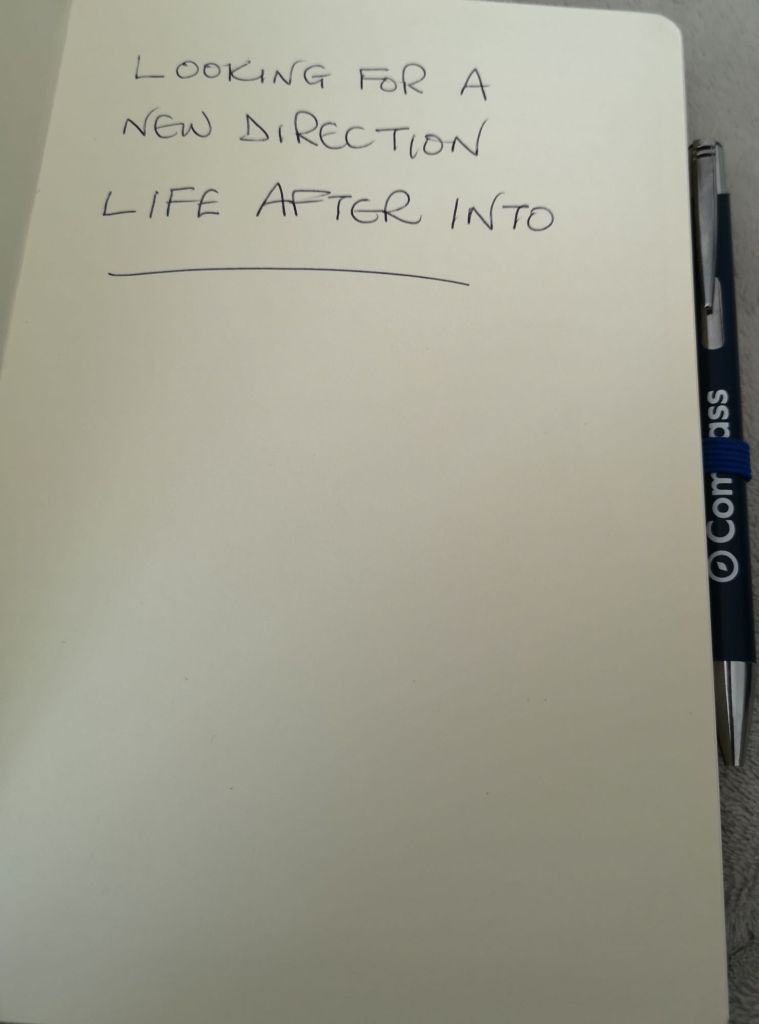
This post is both personal and universal, dealing, as it does, with something that the majority of us will, with luck, face at some point, either through enforced or voluntary means. I am talking about the decision to finish with full time work and look for other things to fill up the time. I started thinking about what life might look like after full time work last August. It turned out that my wife had been thinking about it for far longer and was waiting for me to catch up!
The Background to my Decision
I qualified as a teacher in 1992, originally in secondary school teaching Economics and Business Studies. I moved into teaching English as a Foreign Language (TEFL) in 1995 when I went to Japan on the JET Programme. That is now 30 years ago, and I have been teaching in that field ever since. When I started my first PGCE in 1991, it was blackboards and chalk and now 34 years later it is smartboards and apps! Perhaps more than any other generation of teachers we have dealt with massive technological and social changes that have altered the appearance of the profession beyond recognition. At the heart of it, however, things have stayed the same. What keeps us going are the students. Both those who want to learn and take on board most of your teaching, and those who don’t but improve anyway because of your efforts. There are of course those students who refuse to learn and refuse to improve, but even they will walk away with skills that will help them later on despite their resistance! There are still times that I walk out of a lesson feeling really good because of how well it went, but for various reasons, social, educational and personal, those lessons are becoming fewer and farther between. That is one of the main factors that came into play, although there were many others related to workload. Teachers will know what I am talking about, and wholeheartedly understand, and many non-teachers will be disinterested at best and antagonistic at worst. Let me say, though, that I am very glad I became a teacher and I hope many of my students are!
There is one other factor that plays into this. My Dad was the same age as I am now when he died, so I am very well aware that the later you leave things, the more chance there is that you won’t end up doing them. Now, he always hated, and perhaps even feared, the idea of no longer working. To him, not having a job equated to not having a purpose. Yes, he may have changed his view if he had lived long enough to finish full time work, but I somehow doubt it. Even if he had, he would have been doing everything he could to keep busy. My Mum, who is still going, became a tai chi teacher after 60 and only finished doing three or four classes a week in her 80s! By observing their differing approaches, and by learning new approaches thanks to my wife’s guidance, and the possibilities that the advent of new technology has opened up, I suppose I have found my own way.
The Next Step
I submitted my resignation on my birthday this year, which happens to be a landmark one! Well, I have always liked the grand gesture, so it suited me. I finish in June when my final intake of students officially get their results and, in the vast majority of cases, move onto university courses. It wouldn’t have seemed right to leave before then, so the coincidence of my birthday and the three month notice period ending at precisely that point made it perfect.
During the summer I hope to pick up Pre-Sessional work somewhere which is something I hope to do every summer for as long as I am able to. After that, I will consult my notebook which contains every idea that I have had or will have for life after full time work. Some of the ideas may not come to fruition but some of them will, and it is those ideas that will give me the direction I am looking for. These ideas cover curation of our family history, volunteering, part-time work, blogging, learning, creative pursuits and places to go. Just the simple act of writing these ideas down has given me a new mindset. I am now actively looking forward to what comes next in my life, whereas five years ago the prospect was a very scary one.
Some of you might be wondering about how my wife and I can afford for me to do this. Well, we have been very careful with money throughout our married lives, so that will simply continue. We are lucky enough to have no mortgage to pay, giving us far more leeway than many, and I am well aware of the role of good fortune and having married a financial genius in that! To be honest, money doesn’t matter that much beyond the role it has in keeping us comfortable and allowing for certain treats.
I have many ideas, as I said, one of which is to reflect upon my experiences in the form of a podcast, although that’s still very much an embryonic thought. Will their be an audience? Will it be useful to me as I look ahead? If the answer is yes to both or yes to the second I will give it a go. As they say, watch (listen to) this space.
If any of you are interested enough to reply with ideas, thoughts, reflections or experiences of your own, I will be very interested to read them. So, pop them below and don’t forget to follow my blog if you are interested in what happens next.

Yes, I have definitely got behind on blogging about books! Oh well, here’s a flavour of what I’ve been reading with links to two books I have reviewed separately.
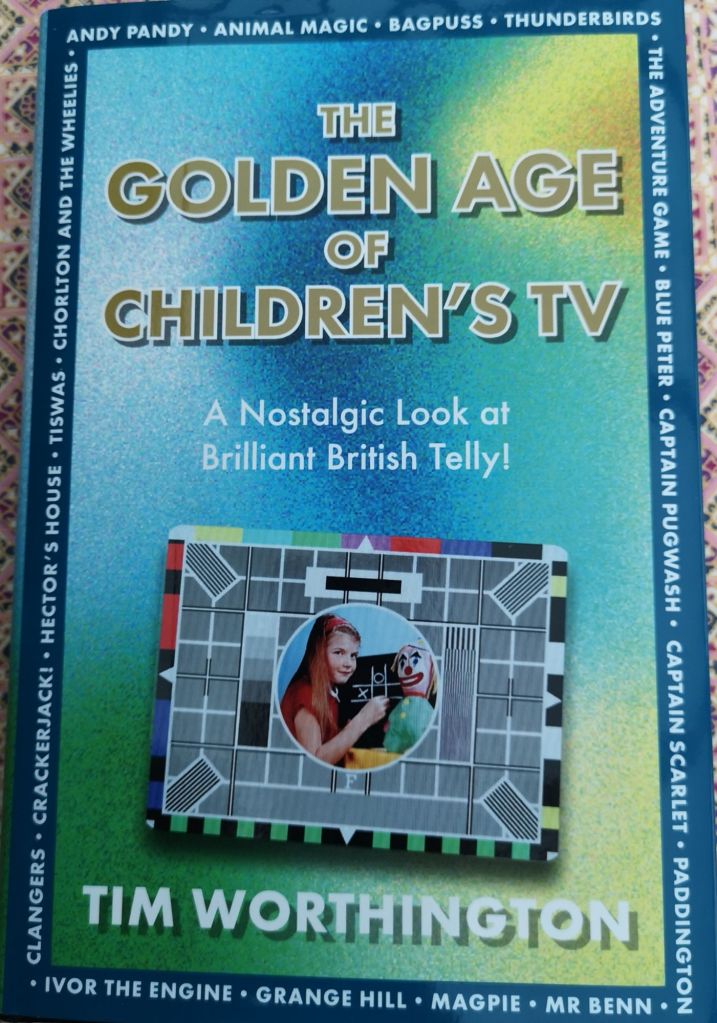
A book I started in January and finished in February was the brilliant The Golden Age of Children’s TV by Tim Worthington.
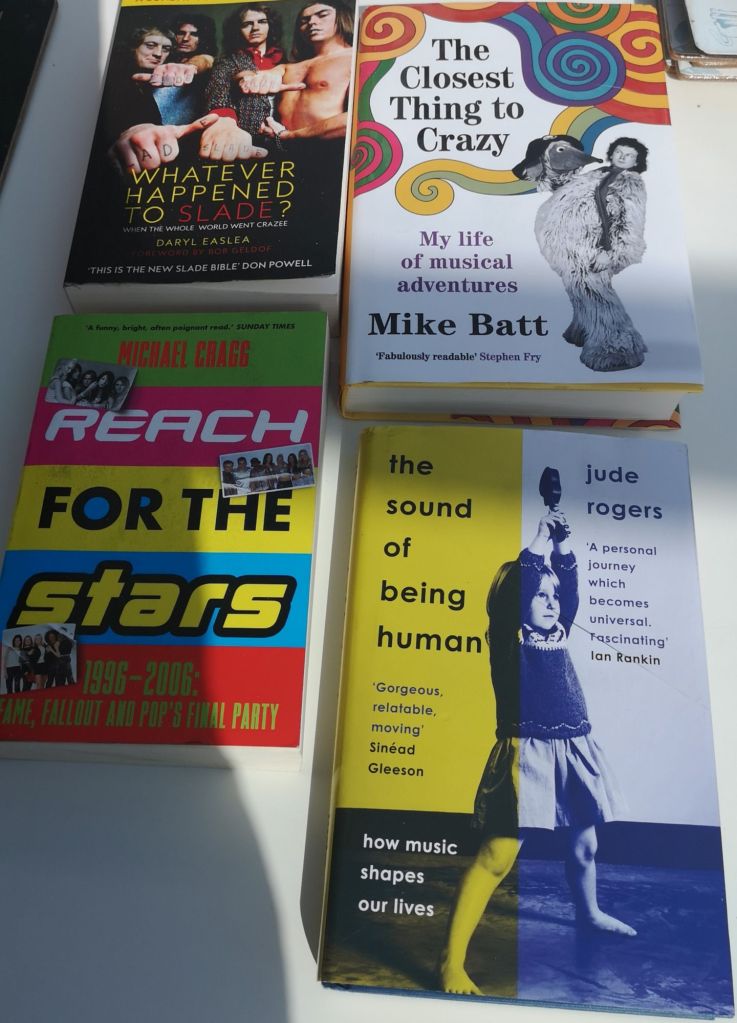
My quintet of music books
I spent pretty much the whole of the next two calendar months just reading music books, and they covered pretty much every era of music.
The Closest Thing to Crazy by Mike Batt
I have mentioned more than a few times how much I love Mike Batt’s music, from The Wombles to Barbara Dickson and Summertime Special to Katie Melua. His autobiography is every bit as incredible and as varied as his musical life. One of life’s iconoclasts, he has never been more than one right move away from runaway success or one wrong move away total disaster. The rollercoaster life he has lived has included both of those extremes in equal measure. Just reading it was a white knuckle ride so living it must have been exhilarating and scary in equal measure. The genius of his song writing has always rescued him when, often, self-imposed disaster has hit him. This is a vibrant, honest and frequently very funny autobiography from one of music’s true originals. Definitely a book I can recommend unreservedly.
Whatever Happened to Slade? by Daryl Easlea
My next book covered in incredible detail the rise, fall and rise again of one of the most influential groups of the 1970s. Slade’s journey from obscurity to stardom via two changes of name and two changes of image could not happen anymore. They gigged continuously, found local success then national success, but refused to move away from their Black Country roots. Like Mike Batt, their story is a rollercoaster but not a self imposed one. Their manager Chas Chandler was responsible for their breakthrough and the all conquering imperial period they enjoyed, but his decision to chase US success that was never going to happen took them away from the UK at their height and killed their chart career stone dead for 5 years or more. Their return to success in the early 80s was entirely down to their brilliance as a live act, as recounted in one of the best sections of a brilliant book. In 1980, they appeared at the Reading Festival, as a late replacement for Ozzy Osbourne’s Blizzard of Oz, as hasbeens who no one wanted to see. By the end of their set they had blown away every other band that weekend. It’s a book with all the detail of the most exhaustive website, but it’s written by Daryl Easlea who is a massive fan which gives the book a narrative drive that makes it one of the best books about a band ever written.
Reach for the Stars by Michael Cragg
We move forward to the mid 1990s for Michael Cragg’s book about pop’s massive period of chart domination which saw any number of bands coming through with only one aim, to entertain. The title is, of course, from S Club 7’s Reach, one of my favourite songs. They feature quite heavily as do the Spice Girls, Sugababes, Blue, Five and many others. Presented in the first person for the most part, Cragg has used interviews from the time and more recent catch ups to present the history of a time where fun was the name of the game but where the artists who made sure we were having fun paid a huge price mentally, physically and emotionally. Reading about their struggles made it a very bittersweet and very honest read. It’s definitely One in a Million!
The Sound of Being Human by Jude Rogers
After reading the previous three I went back to a book that I loved first time round. Guess what? I loved it just as much second time round! Here’s my review of it from April 2023 The Sound of Being Human by Jude Rogers
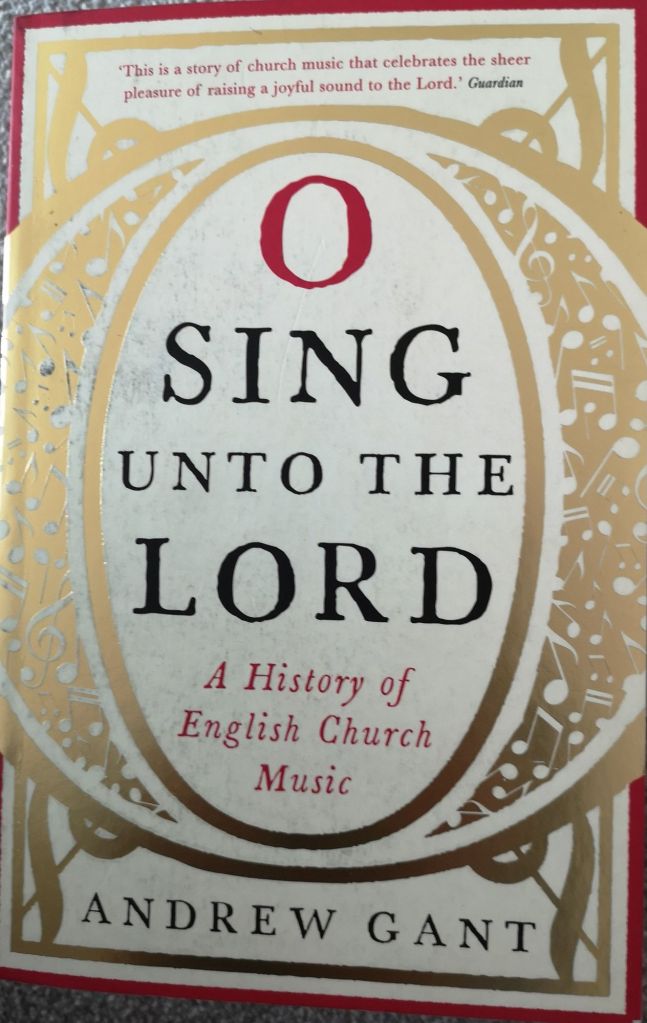
O Sing Unto the Lord by Andrew Gant
Another music book, but one as different as you could imagine from the previous four. A scholarly book with a welcome appearance of the author’s sardonic humour throughout, this book by Andrew Gant reflects on the history of English Church music from a social, cultural, political and historical point of view. He draws the characters involved extremely well throughout, turning them into flesh and blood individuals in the way that a historical novelist would. His recreation of times past kept me fascinated throughout because of his insights and his incredible breadth of knowledge. If you are interested in music and want to learn about the dangerous times through which some of the composers lived, you will find this as much of a page turner as Wolf Hall.
I have been collecting signed photos since I was 12 or 13 years old. Pretty much 95% of my collection has been built up by writing to celebrities from a range of fields, acting, singing and sporting. Nothing can quite match the thrill of receiving a signed photo and occasionally a personal reply in the post. However, at the moment, I do not have the free time to pursue that avenue, though I do intend to go back to it. To fill in some gaps in my collection I have been to the odd signing session, but my visit to the London Film Fair was the biggest convention I have attended so far. So, what was my day like, and would I go again? Well, read on.
I Want It Now!
The reason I wanted to attend this particular convention was to finally meet one of my first celebrity crushes, Julie Dawn Cole. I was close to meeting her at Willy Wonka and the Chocolate Factory at the BFI but as you will discover, if you read it, it was a case of so near yet so far. This time, I decided to have a picture with Julie as well as getting a couple of signed photos. Now, it’s an odd phenomenon, or maybe it isn’t and everyone else just appears more confident but I always get nervous when meeting a celebrity who has been part of my cultural hinterland. Well, with Julie you could double the nerves and then add more! I had wanted to meet her for so long and I thought that I might chicken out if I didn’t go to see her straight away, so before I walked around the stalls I went straight to her signing table. I was shaking with nerves and excitement, as I reverted to a star struck inner child, but when I finally got to the front of the queue she put me at ease (as far as that was possible!) by being just as lovely as I had imagined. I got two signed photos, the Veruca Salt picture reflecting the part for which she is most famous, and the part that enchanted my 10 year old self, Jo Longhurst in Angels. She seemed genuinely pleased that I was a fan of Angels, and she told me that the original Angels were still in touch although it was very hard for them to arrange times to meet up because their schedules didn’t quite match! I was really pleased to hear that, because the whole of the original cast from the first three series seemed so tight knit on screen, and it was nice that they had a similar closeness off screen. It was a fantastic experience meeting Julie and that was because she focused entirely on me during the brief chat and made me think that in some way she enjoyed meeting me as well. An inner child can dream can’t he?!


Vampires and Man Eating Plants!
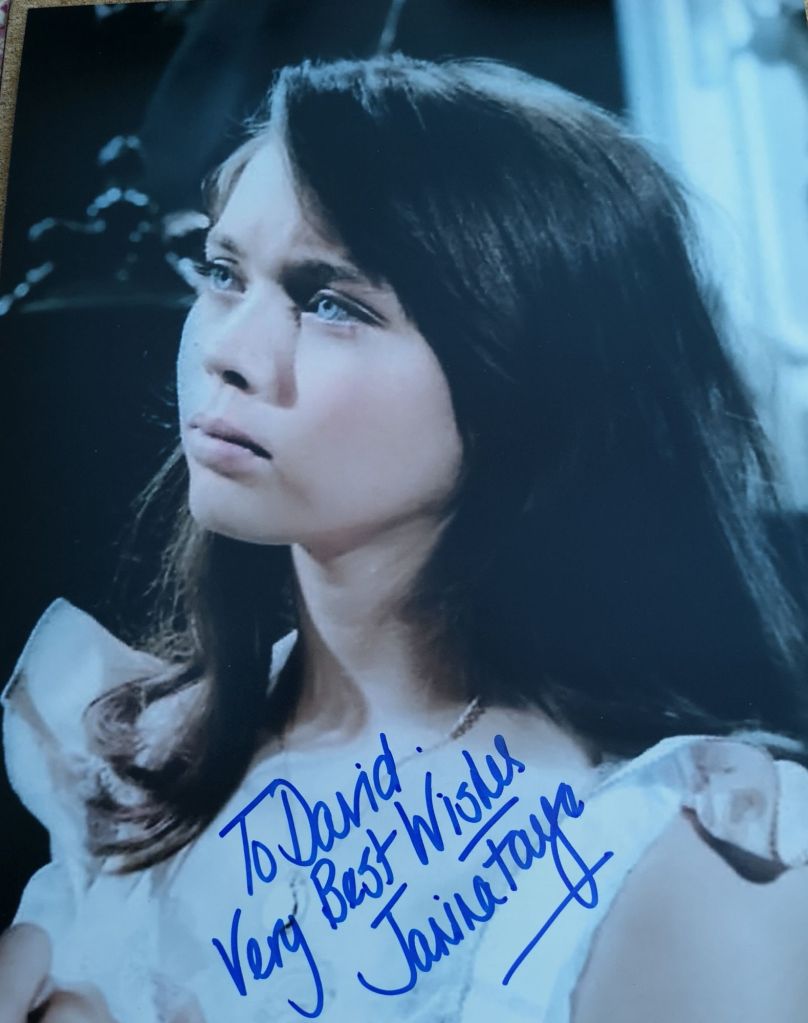
The other childhood favourite I wanted to see was Janina Faye who made a number of movies as a child and a teenager, most famous of which were the 1958 version of Dracula with Christopher Lee and Peter Cushing, and the 1963 film version of Day of the Triffids alongside Howard Keel and my favourite actor of the 40s and 50s Mervyn Johns. Janina was absolutely lovely and very happy to talk about the films and the actors she appeared alongside. I told her that I had first seen Dracula at the age of 10 or 11 because I was obsessed with vampires at the time. The film terrified me so much that I had not watched it since, although I do have the Blu-ray version on my TBW pile of films and TV! We talked about Mervyn Johns and I suggested a couple of his films, particularly The Halfway House which she might want to check out. She said that the Triffids movie was disappointing because it cut so much of the book out, which gave me the opportunity to hand her my book for her to sign the front cover. It might be an odd place to sign it, but every time I reread the book I will be reminded of 10 minutes chatting to a lovely and vibrant lady.

Something I realised
Just as an aside, I thought back to my early favourites and one connection became clear. All the actresses I loved watching as a child were part of the action, not just sitting back and being demure. Julie, of course, was the ultimate ‘bad egg’ who controlled the world around her until she met her match in Willy Wonka. Janina was determined to survive as Susan in Day of the Triffids and played her part in staving off the end of the world. Katy Manning as Jo Grant was often going it alone, ignoring both the Doctor and the Brigadier. I met Katy back in 2006 at a Doctor Who signing. Finally, Roberta Tovey played Susan in the two big screen Dalek spin offs and was in the thick of the action throughout. Roberta is the last of that quartet I want to meet so I am keeping my eyes peeled! It’s interesting how much your early cultural experiences inform your character, and true to that my favourite girls in real life were the types who were more than happy to shape their world by being determined and taking risks.
The stalls and my purchases
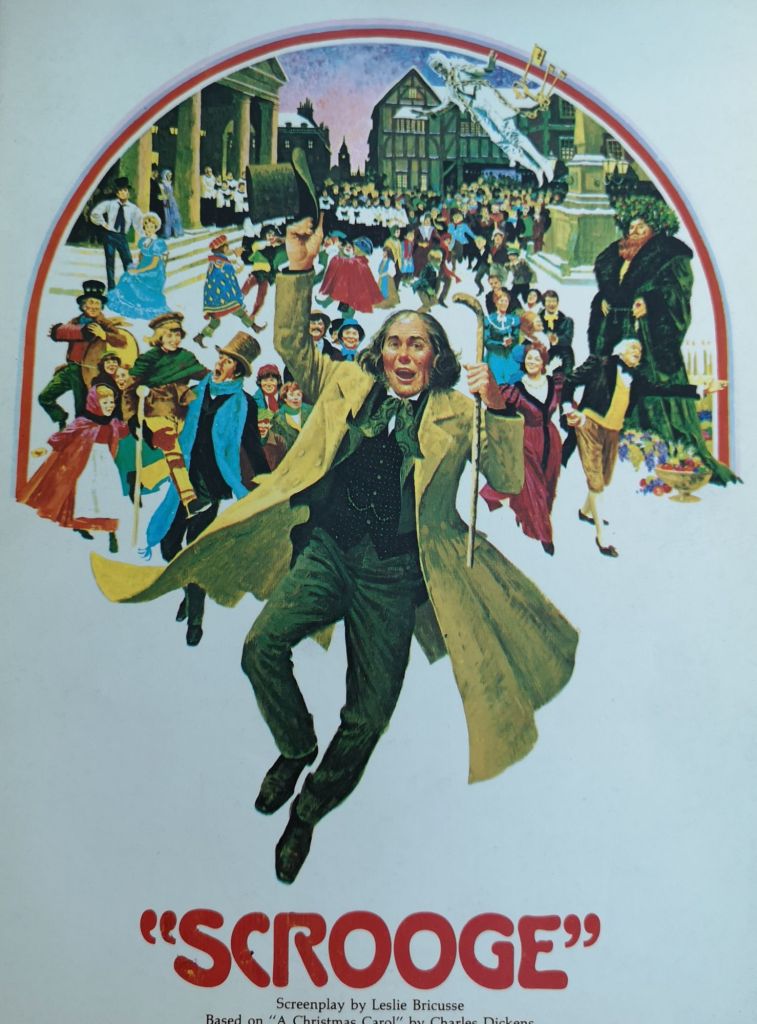
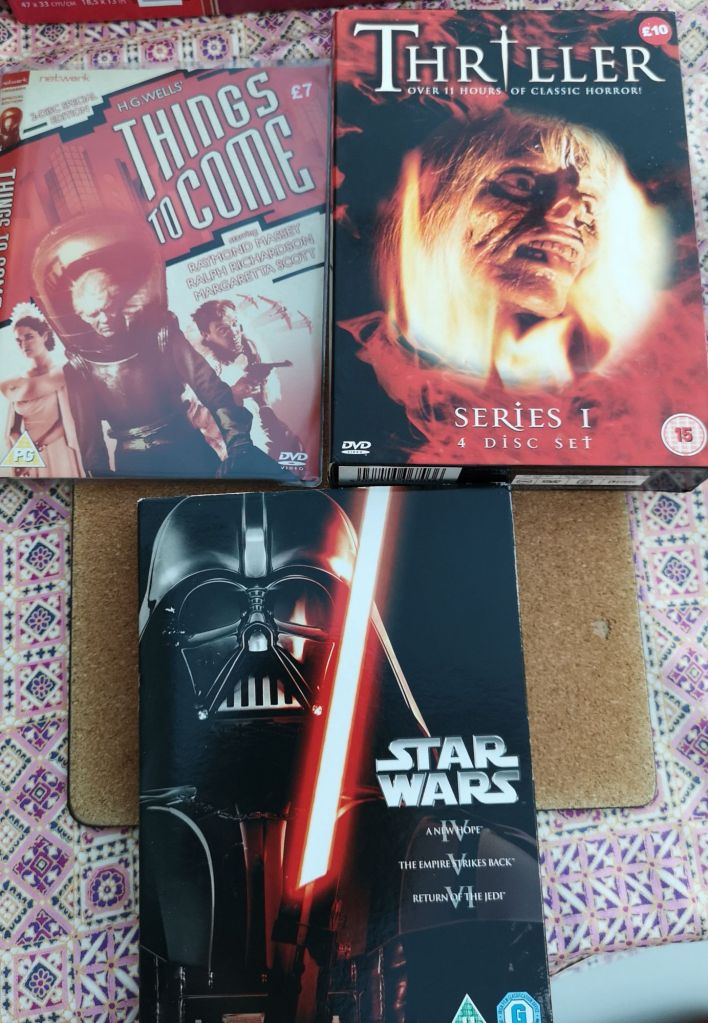
Having never been to a convention of this size, I was not prepared for the range of temptation that they would put in my path! I came away having spent far more than anticipated. Just as well it was a late birthday treat really! Anyway, as you can see below, I got some memorabilia that I probably would not have found elsewhere. The biggest find was the original cinema programme of Scrooge from 1970. I am old enough to remember the days when many films had these available, and now that they are obsolete these connections to a cultural past become ever rarer and ever more valuable from a historical perspective. Luckily I picked up Scrooge for £5 and I don’t think it had been read more than once, so pristine was it. Another film from around the same time, Melody, was absolutely massive in Japan, and at another stall I found an original Japanese cinema programme for £4. My luck was definitely in! I had no intention of adding to my huge TBW pile, so of course I picked up the original Star Wars trilogy, classic sci-fi film Things to Come and the entire first series of 70s anthology Thriller! Oh well, I paid less than £15 for the lot so I feel like I got some real bargains there. Finally, I got a book covering every film Jenny Agutter has ever made. One of our best and most versatile actresses, there’s a number of these films I have not heard of let alone seen, so it will definitely be a fascinating read. By the way, I wrote to Jenny a number of years ago and received a signed photo so this icon of my younger years is already safely in my collection.


And finally ….
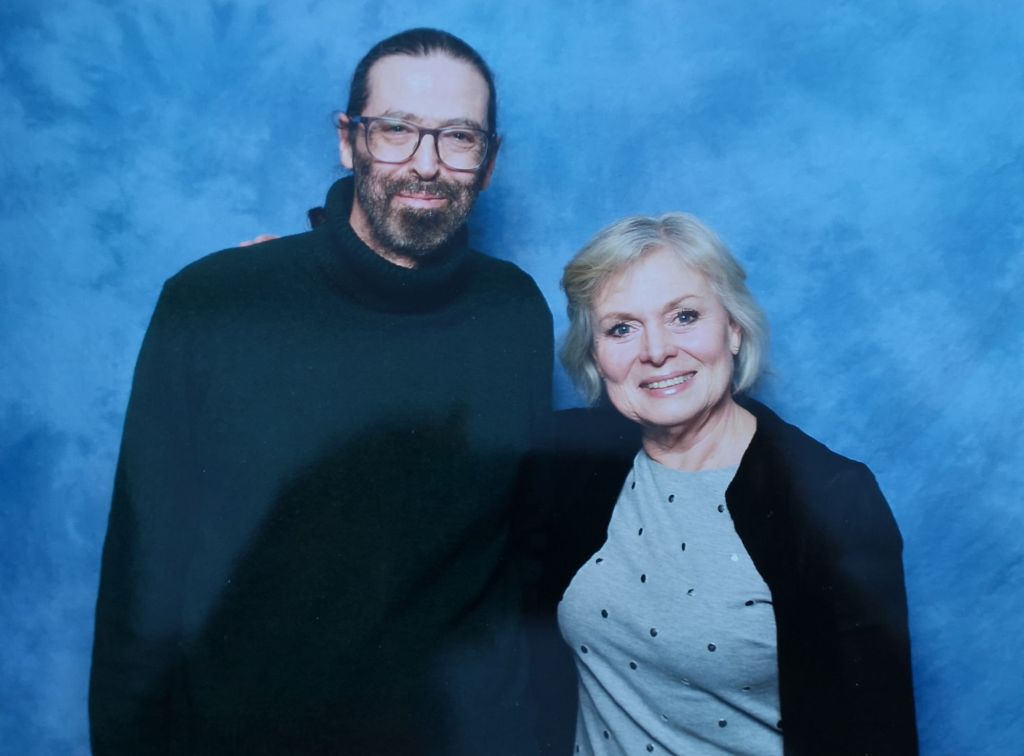
I have never wanted to have a picture of myself with one of my favourites on the basis that I would ruin the picture! Well, this time I did and to my surprise I don’t seem to have done, although I will leave you to decide.
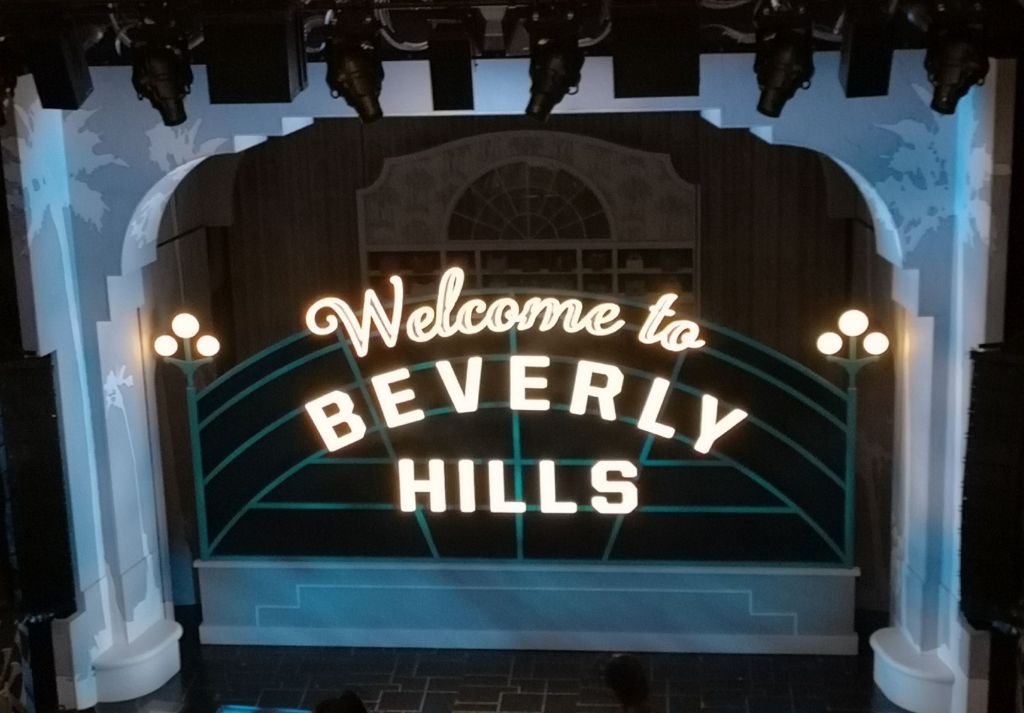
The musical version of Clueless came with impeccable credentials. The original screenwriter Amy Heckerling adapted her own film, K T Tunstall wrote the score and Glenn Slater, the writer behind Tangled, Sister Act and School of Rock amongst many others, provided the lyrics. The film itself has proved to be a touchstone for three generations of teens as they watched and re-watched Alicia Silverstone et al. I had only seen the original film once, but I remembered enjoying it immensely, so I was expecting a really good evening.
The Story
Clueless is based on the novel Emma by Jane Austen. The central character Cher is a 17 year old high school student who lives with her widowed father who is a lawyer. Her stepbrother Josh, who also wants to be a lawyer, sees her as interfering and shallow while she sees him as dull and idealistic. Cher’s best friend Dionne is more than happy to go along with Cher’s schemes to match ‘suitable’ couples together. Her attempt to get her grades increased by the grumpy Mr Hall works when she sets him up with fellow teacher Miss Geist. So, when new girl Tai arrives she decides to turn her from a pink haired nerd into someone worthy of Elton, the narcissistic, shallow Elton, even though Tai and skateboarder Travis are far more compatible. Deciding to take advantage of her profile at the school, she sets her sights on fashion lover Christian, but she is in for a shock.
The Cast
Emma Flynn plays Cher, the central character with sweetness, determination, depth and humour. At no point do you see Cher as a figure of fun. Yes, she can be misguided and far too sure of her instincts, but she is genuinely sweet and kind. When something happens that she feels is wrong she is determined to make it right. She is the friend who will back you up to the hilt but only if you can keep up with her! By refusing to make her a caricature, Flynn centres the whole performance. Her acting and singing fizz with verve and energy and she has an absolutely fantastic voice. She has a fantastic stage presence and your eyes are drawn in her direction every time she is on stage, not just sporadically! Emma Flynn isn’t a star of the future, she is a star right now, and we were really lucky to see her as the perfect Cher.
Keelan McAuley is the perfect foil for Cher in his role as Josh. You completely buy into his earnest young intern who has a clear sense of right and wrong like Cher. The problem is that his sense of right and wrong often clashes with hers. In the song, Human Barbies he sets out his case for the prosecution, but in that song you sense that he is trying to help her out rather than criticise. When he feels that she is setting her sights on the wrong guy he is clear that his role is as her protector. Their spiky relationship is the centre of the story and thanks to Mcauley it rings completely true. His singing is powerful, and in the boyband influenced Reasonable Doubts he nails one of the absolute showstoppers.
Chyna-Rose Frederick is Cher’s best friend Dionne, whose easy friendship with her is in contrast to the fiery relationship she has with boyfriend Murray (Rabi Kondé) Despite their regular spats it is clear that they really love each other, and in that, if in little else, she is prepared to be quite independent of her friend. Like Cher, Dionne is completely driven by what she sees as the best for everyone else. Frederick is sassy, funny and completely watchable whenever she is on stage, keeping up with Flynn which is no mean feat.
Romona Lewis-Malley plays new girl Tai. Initially she has pink hair and unfashionable clothes and she is worried about coming to a new school. That is the reason that she allows Cher and Dionne to make her over, but it is clear that she is not really comfortable with her new image. She has more in common with Travis (Blake Jordan) who shares her love of cartoon characters and loves her artistic talent. Both characters are appealing and you definitely root for them as a couple even when Cher doesn’t.
Max Mirza and Isaac J Lewis play Elton and Christian respectively. They are both clothes horses, both inordinately vain and love to make an entrance. There the similarities end, because where Elton is calculated and selfish, Christian is ingenuous and open hearted. Both actors play their characters flaws to the hilt, but they also give performances that are nuanced and far from one note.
The Music
The best way to describe the music is as a 90s mixtape that takes you straight back into the decade. There were so many good songs that it seems almost wrong to pick any out for special praise. The music of K T Tunstall and the lyrics of Glenn Slater is so right and so familiar that you will feel as if you’ve heard these songs before. To get a feel of the music I can do no better than point you in the direction of K T Tunstall’s Clueless Mixtape which features six songs you will be playing again and again if you’re anything like me. My favourite was Reasonable Doubts sung by Josh and his fellow interns as he voices his distrust of Christian and his certainty that he is completely wrong for Cher. Any song that has the lines ‘This guy is thicker than a porpoise/He will try to habeus her corpus!’ is total genius and had me laughing out loud at the show and whenever I’ve listened to it since!
My entirely objective point of view
I have seen a number of musicals over the years, but not one of them has had me grinning and singing along (quietly) in the theatre like this one. It was a total blast and it was so refreshing to hear one that can stand alongside the best of the genre past or present. There are some really good modern musicals and make no mistake whatever, Clueless is right up there at the top of the pile. It would be remiss of me not to give a shout out to the incredible set design of Mikiko Suzuki Adams who made the most of every single inch of the stage with her innovative designs. Wait till you see how they introduce the cars! I was there on a Thursday night and it wasn’t a full theatre which was such a shame. Something this good deserves a full house every night. Everyone there had a marvellous time watching a show that transcended the generations with ease. Whether you saw the film version of Clueless first time round or caught up with it via streaming, I guarantee you will absolutely adore this fantastic piece of stage magic. Book those tickets now and support the huge talent on and behind the stage. As the final encore has it, ‘It’s all that/ and a bag of chips’!
 David Pearce - Popular Culture and Personal Passions