
What’s the trait you value most about yourself?
I have always tried to admit my mistakes. It’s so important to me to accept responsibility for things I have got wrong. If I admit my error I have more opportunities to make it right. If I don’t, then, in my experience, things get worse and worse.
This is why I detest politicians and managers who see it as a weakness to admit errors that they have made. How can you fix things if you persist in insisting that you, and everything you do, is perfect? Of course, as a child, teenager and young adult I tried to cover up my mistakes but I always found that when I did things got worse and worse. The difference was that unlike 99% of politicians and managers, I grew up and took responsibility.
So, there you have it, always admit when you have got things wrong and then fix them.
List three jobs you’d consider pursuing if money didn’t matter.
I am now in the situation where I am looking for jobs that take less out of me than full time teaching all year. Any money I make will be nice but not the main focus. It’s about looking at options I have not had the time or energy to pursue before. So what are my areas of interest?
- Helping to set up and run charity events. I am registered with a company called Action Challenge who I have done most of my charity challenges with. They always need staff to work on these challenges and I hope to have a chance to experience the charity events from the other side of the equation.
- I want to work with English Heritage or the National Trust as either a guide or a knowledgeable member of staff in one of the rooms. I would be perfect for that as my daughter reckons I could be paid for talking all day which she sees as my key skill! My ideal venue would be something to do with Art and Design or Christmas. My absolute dream job in this area would be to guide people around London on A Christmas Carol themed walk. I went on one a number of years ago and I remember being convinced that I would be excellent at it!
- My final option crept up on me and only occurred to me on Wednesday this week. I went along to The Den, Millwall’s ground, to be a crowd member for an advert that Prostate Cancer UK are doing to raise awareness. As you may remember from an earlier blog post I wrote, it’s a cause very close to my heart. Anyway, as I was sitting there waiting for our call time I realised that virtually everyone else was a regular paid extra. I didn’t stick out as someone involved in this for the first time, and one of the regular extras suggested that I sign up with an agency as I enjoyed the process. I have taken his advice so watch this space and the background of films and TV shows very carefully!! 🤣🤣
So there you have it. Three possibilities for me now I am no longer a full timer. All three are very feasible and all three would definitely fit in with my skill set.
What brands do you associate with?
Let me start by saying that to me, brands are vital parts of social history, both the ones that are long lasting and the ones that vanish. I love seeing old newspapers and old magazines that contain adverts for brands that have vanished and those that have stayed around. I am of course aware of the arguments around brands, some of which are valid. However, this post will ignore those arguments and, instead, serve as a preview of one of my Blogmas posts. So, let me take you back to 1896!
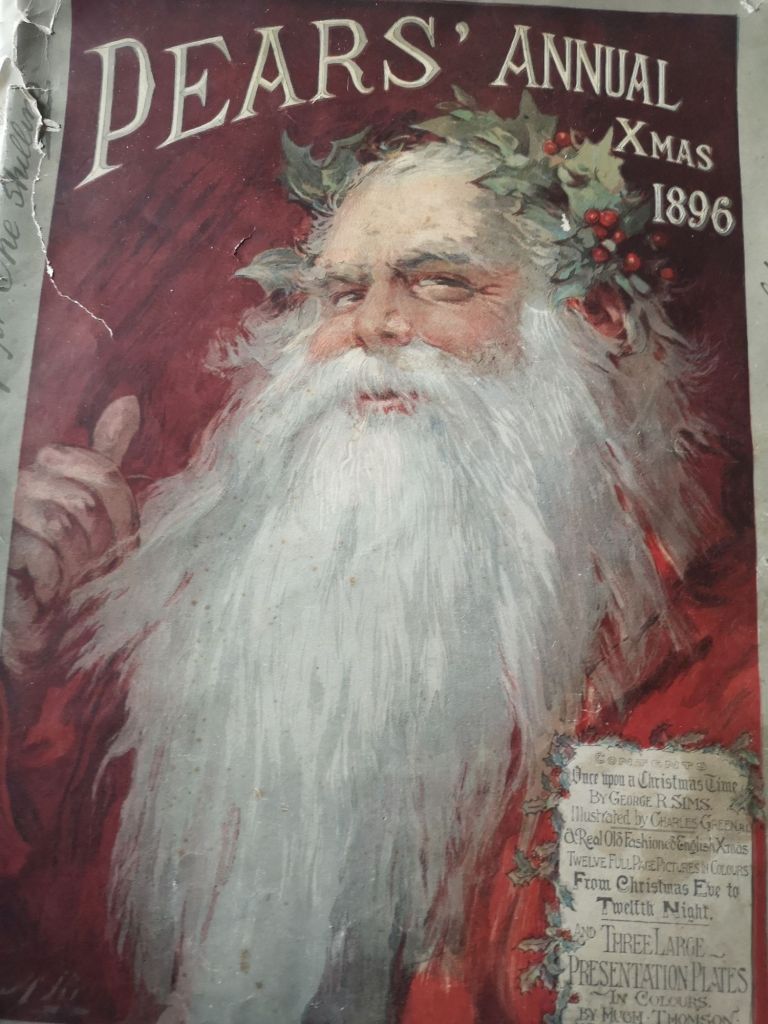
My idea of looking at Christmas Magazines through the last 130 years in the UK stemmed from the view of the Pears’ Annual of 1896. When you look at the title, you are immediately looking at brand awareness Victorian Style. Pears produced soap used at every level of UK society up to and including the royals. It was instantly recognisable in its packaging and through its advertising and publications. This was a commercial titan of the day and their magazine would have been a Christmas staple in houses the length and breadth of the country. Many of the articles, as you will find out in December were Pears puff pieces, but it also sold advertising space to other well-known brands of the time. The two below for example.

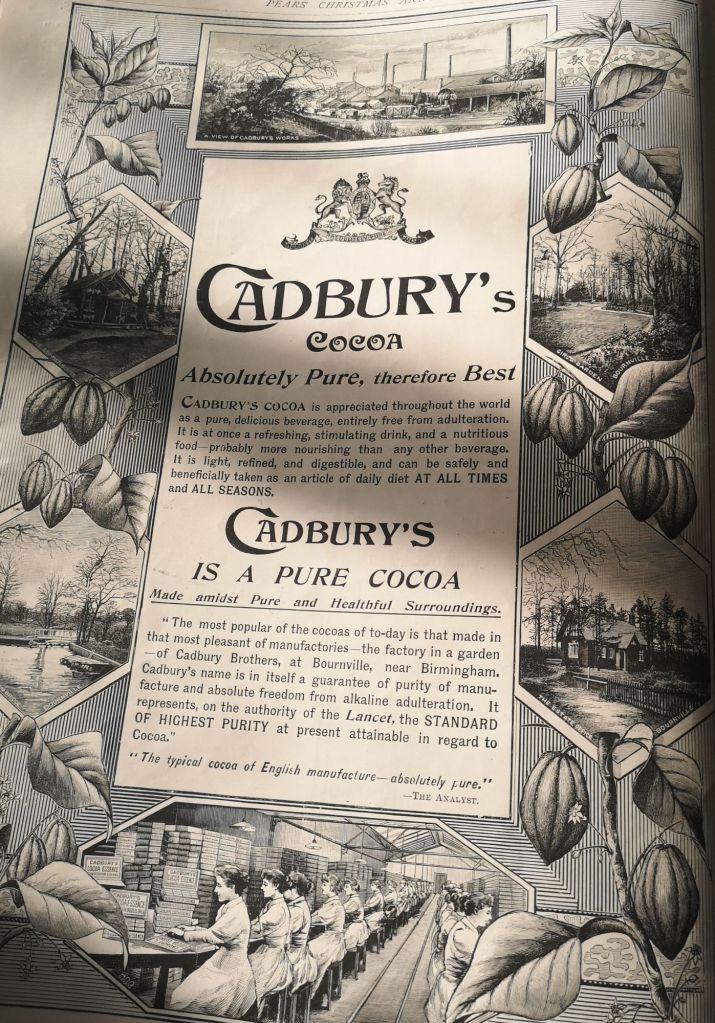
So you have Atora and Cadbury’s which are still available on the shelves of shops in the UK and beyond. Atora is focusing on the Christmas recipes for which suet is an integral part. It ties the brand in with the celebrations. Cadbury’s reflects the quality of the brand and the way that it is made in Birmingham at the Bourneville factory within the Cadbury designed village of the same name. It’s clearly meant to put the quality front and centre and position itself as a Christmas gift of distinction. When you think of the brand positioning now, not much has changed.

Just as fascinating to me are the brands that have vanished. In the picture above you can see 9 brands that were clearly well known enough to get a coveted place in a very widely read magazine and which no doubt benefitted from the exposure. None of them exist any more. Why is that? I don’t know, but I would really like to find out. Did they fall out of favour, get forced out by cheaper competitors or simply fade gradually from the scene? Whatever the reason, they disappeared never to return.
We have the mistaken belief that we live in a uniquely brand heavy world. The truth is that, ever since consumers started to look beyond their own villages and towns for products, brands have been a vital way for producers to differentiate themselves in an imperfect market. Looking back to 1896,there were almost certainly more brands then than now, but they advertised themselves in the printed media rather than on the Internet. As a result we tend to forget that consumer behaviour doesn’t change, it’s simply catered for in different ways.
If you enjoyed this article, there’s far more to come in December as I trace Christmas across the years through the pages of magazines.
What could you do more of?
Now that I am freer during the year than I used to be, I have looked at the experiences I want to have. I am not the type of person to reduce the importance of possessions in general but as I get older I want to have time and experiences with those I care about.
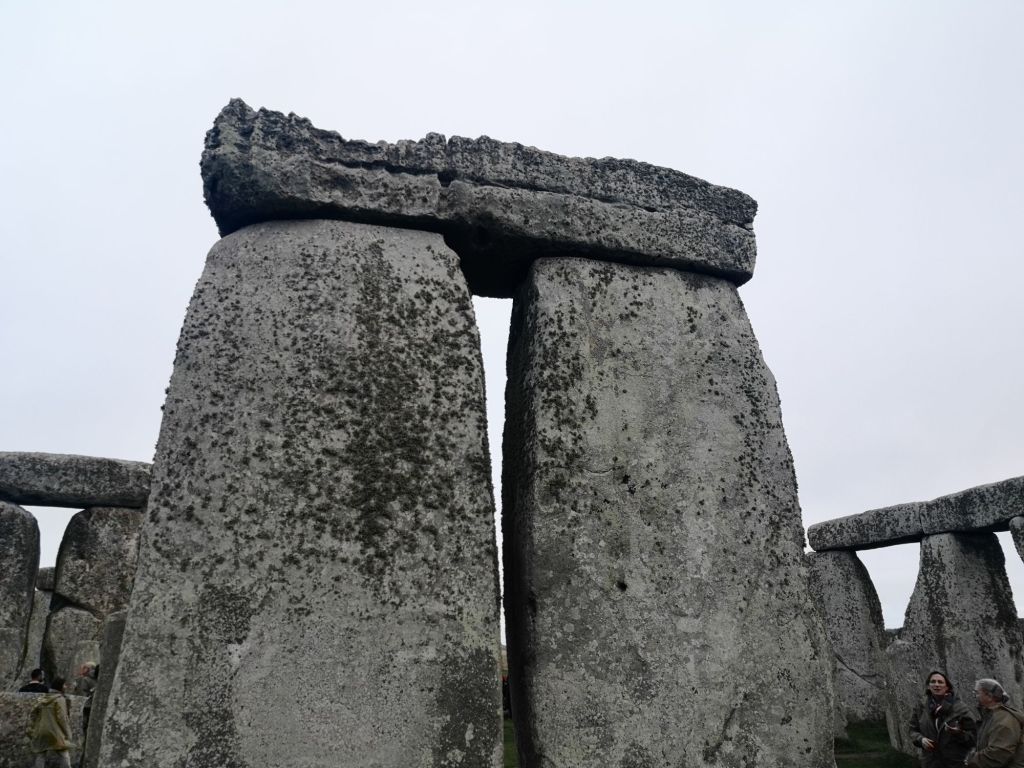
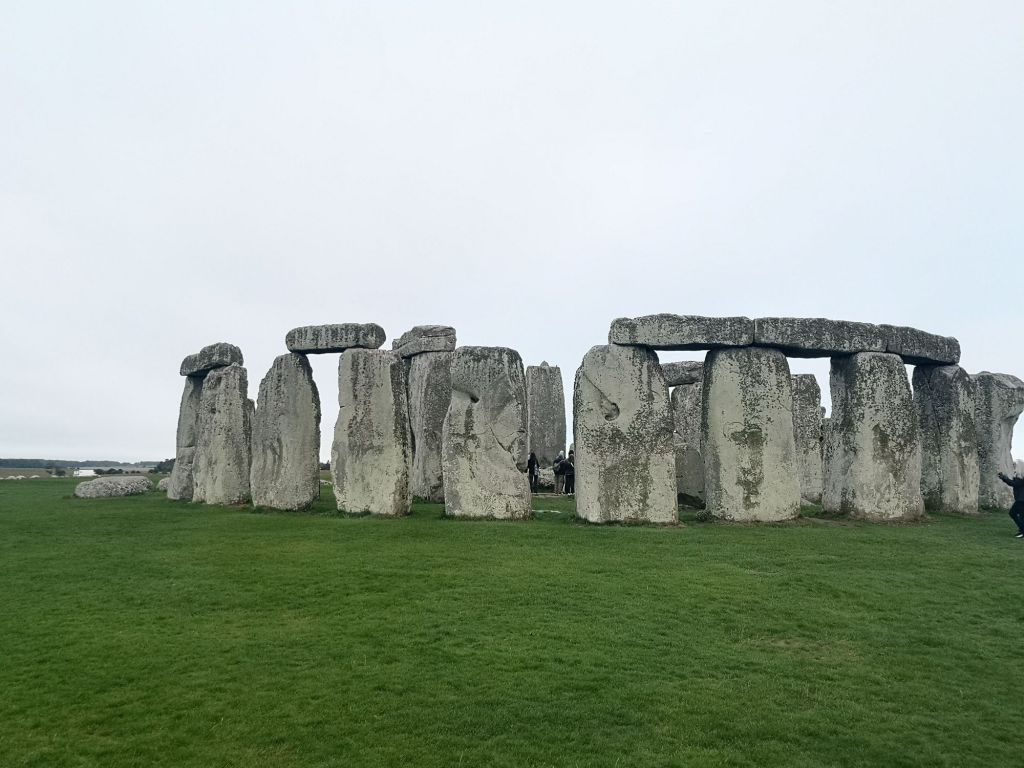
Last week I went to Stonehenge with my wife and son and we had the privilege of walking inside the stone circle itself. It was an amazing opportunity and an experience that went beyond the everyday. To have the experience is about double the cost of normal entry and may require you to get up very early – our slot was 6.30am – but if you can do it you really should.
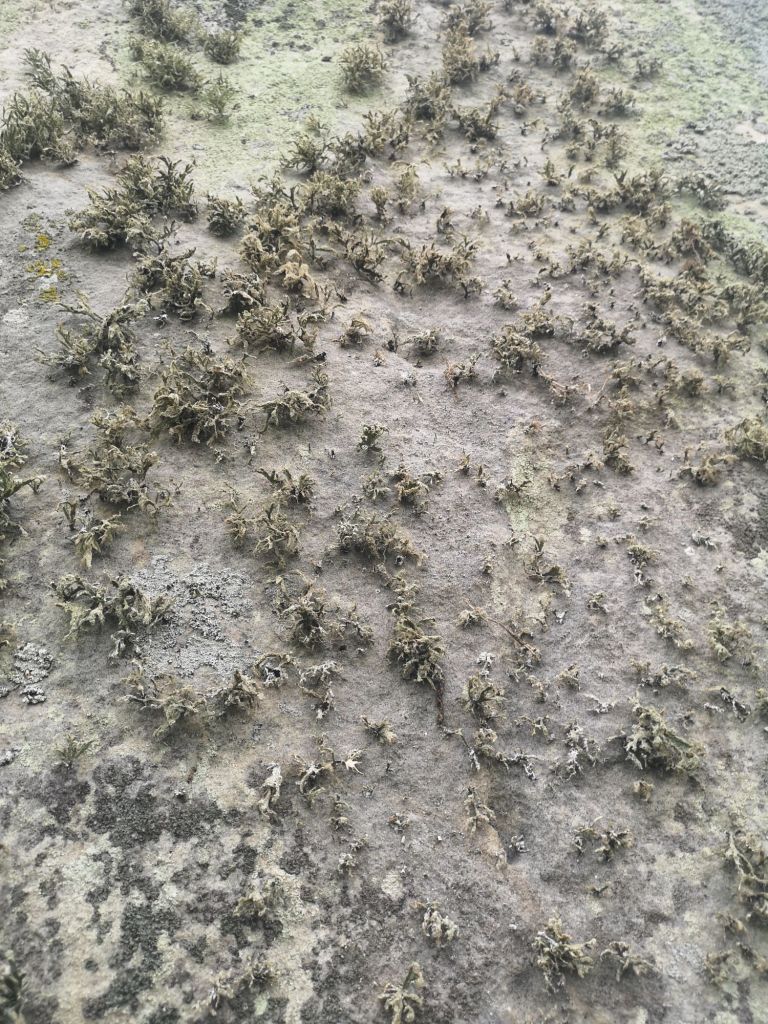
The stones themselves up close have a real energy that comes from their great age and their role in the lives of our ancestors. They are covered in lichen, some are standing, some have fallen, some have disappeared, but every single one of them has a story and a power. The true story is lost in the depths of pre-history, although we can be fairly sure that Stonehenge was a calendar and a site of worship. Did they worship gods or nature or the vastness of space? We can never truly know, but as our fantastic guide James told us, we can make educated guesses based on ever more advanced archaeological techniques.
Stonehenge was almost certainly a cathedral of the Stone Age and probably had a very similar purpose. Were there druids? We don’t really know if there were, certainly not in the way modern day acolytes portray them. For a start, the robes are so similar to the clothes of Christian priests that they are clearly influenced by them retrospectively. What did they do? We don’t really know that either, but it’s fascinating to consider the possibilities. I felt the same way in the circle as I have done in the great cathedrals I have visited, only more so as the energy seemed to be an integral part of the site and was all around you.
Going to Stonehenge is an experience but being within the stone circle was a privilege and one that will guide my search for experience over possession from now on. That is where the real pleasure of life lies and where I want to focus my energies from now on.
 David Pearce - Popular Culture and Personal Passions