
Do you or your family make any special dishes for the holidays?
Due to the occasionally repetitive nature of these prompts, I have already covered Christmas food, and I did so on a Blogmas post a couple of years back. So, settle in for a whistle stop tour of the history of our favourite, or perhaps not so favourite food.
The Christmas Bird
The turkey is a relatively recent addition to the Christmas table. In Dickens’ time it was more likely that you would find a goose in the oven at Christmas. One of the highlights of A Christmas Carol is the description of the Cratchit’s Christmas Dinner which featured a small goose, though no one would ever say it was small, mashed potato and apple sauce. The Cratchit family, like so many poor people at the time, did not have an oven, so they took the goose along to the Baker where, for a small fee, it was cooked in the big ovens that also cooked the bread. It gave poorer families a roast and bakers a useful little boost to their income.
The turkey, like many other elements of the festive table slowly worked its way from the Upper classes, when turkey was an incredibly expensive bird, to the rest of the population as turkey farms became more common and much bigger. The rules of economics meant that the bird became more affordable and therefore a fixture on many Christmas tables. It is interesting that it never became a year round bird, but instead remained inextricably linked with Christmas. I know many people, especially now, have moved away from turkeys at Christmas, but for me, it’s a non negotiable on the Christmas menu.
Christmas Pudding
Another part of the Christmas experience that is becoming less popular is the Christmas Pudding. It is very heavy, so we never have it straight after Christmas Dinner, but many people have done in their childhood and I think it has become synonymous with overeating and discomfort. This is a sad state of affairs because a Christmas Pudding, especially homemade, is an incredibly tasty dessert and, topped with Brandy, Rum or Whisky Butter, gives you a lovely warm feeling. It’s a pudding with a long history, from its medieval origin as Frumenty. Frumenty was a porridge, originally used as a fasting dish, but it became more of a centrepiece of our celebrations when spices and fruit were added to this previously unremarkable dish. We are very lucky in our house that my wife makes all the Christmas desserts but even if you buy the pudding, you really should consider giving it a space on your table.
Mincemeat
This is another medieval dish that has undergone a significant transformation. The original recipe did indeed include minced or shredded meat. It was designed to preserve the meat that couldn’t be used up, but which was much too valuable to throw away. The fruit and the sugars are the ingredients that prevent the bacteria that would spoil the meat from forming. In order to keep the texture of the dish, beef fat was used in times gone by, before being replaced by beef or, more recently, vegetable suet. Again, this is something best made at home if you have the facilities. My wife’s mincemeat is so good that I can never eat shop bought again. The best recipe is in the Delia Smith Christmas Book, which we have had pretty much throughout our married life, and can now be found online. If you are uncertain about it, reduce the recipe by half or three quarters according to how much you want to make. I pretty much guarantee you that you will not look at mincemeat in the same way ever again!
So, there you have it, three foods, three histories. I hope you have enjoyed the read and that I may have inspired you to try some of these for yourself.
If you didn’t need sleep, what would you do with all the extra time?
If I didn’t need sleep, and making the assumption that I will be at full throttle, then I would definitely be doing more writing.
Over the last four months or so I have posted at least once every day and have built up more of an audience. It has been great for me to get into the habit of writing every day and responding to the prompts in a more spontaneous way, which seems to have freed up my writing style. However, I am finding that mental tiredness is making it more difficult to focus on more than one post a day. I have written two of my posts about Christmas Magazines, but I am finding the third hard going, not because the subject matter is uninteresting but because I seem to have a finite level of writing concentration. Also, of course, I have a lot to do around the house and that tends to make it more difficult to just sit down and do things purely for myself.
At present, I have the target of writing and scheduling 6 posts for the beginning of December to put myself ahead of the game. So, in the next five days I need to write 3 new posts as well as finishing off my current one. It’s a tough ask but it’s absolutely essential otherwise I will start to fall behind. My response to each daily prompt has given me levels of views and likes I could never have imagined so I will continue to do them. It is at this point that not needing sleep will come in handy! That said, I have seen films where people don’t need sleep or are using every single cell of their brain and it never ends well! So, I just have to build up my concentration bit by bit in the way I will build up my body in the New Year. Wish me luck for both!
With just a month to go until the big day, I am going to Re-Blog 10 of my favourite Christmas posts that deserve more of an audience. First up is a great book by Christmas fanatic and Romantic Comedy writing legend, Lindsey Kelk. The Christmas Wish is one of a select few books that I will reread every year, and it’s just as good every festive season. Read on to find out why it needs to go on to your own reading list.
Name your top three pet peeves.
I find prompts like this quite difficult. How can I reduce all the things in modern life that irritate me into three examples?! 🤣🤣 I could be here all day if I don’t focus!
Well, first of all the word peeves indicates minor irritations rather than anger inducing major issues. So, I can fortunately, for both me and my readers, ignore politics and the dreadful straits our world finds itself in. Secondly, I can concentrate on the more niche irritations that reveal more about me than the person or people carrying out the irritating behaviour. So, without further ado, here we go!
- Slow walking – although as my family and colleagues will tell you that can include pretty much 90% of the human population! When I am on my own, I am definitely trying to get somewhere as quickly as possible. If someone in front of me is going too slowly I will usually just overtake them, but if I can’t I get irritated and either mutter under my breath, stop to check my phone or find an opportunity to get out into the road (safely of course) and go past them at a jog!
- Next up is people who are loud on public transport or, worse, have their phones on with no earphones. In the last few months I have used public transport very infrequently, no longer being a commuter, but I still have a commuter mindset! When you travel at rush hour the people around you tend to be silent, especially in the morning, or if they are talking they do so quietly. I have spent many an hour long journey in a carriage where total silence has reigned and it’s marvellous. I am not saying you can’t make noise, just be as quiet as you possibly can.
- My final peeve is more of an attitude at large where people are ever less concerned with those around them. I suppose that the previous peeve comes from this approach, but this is much more all encompassing. It’s about a kind of blindness to the rest of the world. This comes from our increasingly atomised existence where we only worry about what we want rather than what effect it will have on other people. When I was in Salzburg last week, that was far less in evidence and I connected that to the far less widespread use of phones in public. Phones put us in a bubble and we forget about those around us. I know that I can fall prey to that so I am trying to reduce my usage, but for most people the phone is simply a physical extension of themselves at all times.
So there you have it. When it comes down to it, my main peeves all come from the same place, people being unaware of those around them. In many ways this is not a new phenomenon of course, but I definitely think it has got worse in the past decade particularly. So, if you see me, or anyone else, walking quickly towards you get out of the way! If you have earphones use them and if you want to talk, do so more quietly! Finally put that phone away and take account of the world around you.

This post is a broad reflection of our five days in Austria which we spent entirely within Salzburg. I will be focusing on our visits to various attractions and the Christmas Markets which were the main reason for choosing to stay here in November.
Basic Information
The main language of Austria is German, so it’s very much worth your while to learn some of the basic vocabulary so that you can make the best of your stay. As in all countries, even a smattering of the language goes a long way.
The cars drive on the right so if you come from the UK like me, remember to look that way when crossing the road. The cars will wait for you to cross the road at a zebra crossing and, certainly while we were there, road etiquette was faultless. There are fines for Jay walking so make sure you don’t dash across on a red pedestrian light.
The roads are exceptionally quiet, although they are busy at times, because so many people drive electric vehicles. There are a large number of charging points across the city and the resulting quiet is a real bonus for someone from the UK where everywhere is loud and frenetic.
Austrians themselves are very quiet. They are not constantly talking into phones as the British tend to and when they do talk they do so much more quietly than the English, a trait that extends to teenagers who are unlike their counterparts elsewhere in that they didn’t tend to dominate their space physically and vocally. They don’t even seem to be wedded to their phones and are much more aware of their surroundings as a result. There is an absolutely lovely atmosphere of calm throughout the city that made me relax extremely quickly. That was a good thing for me as I usually take two or three days to get into holiday mode, but in Salzburg I was ready to enjoy myself on the first morning.
Sights to Visit
Within so small an area, the Old Town fits in a large amount of interest to the tourist and, no doubt, local alike. Here are five attractions I really enjoyed.
Hohensalzburg
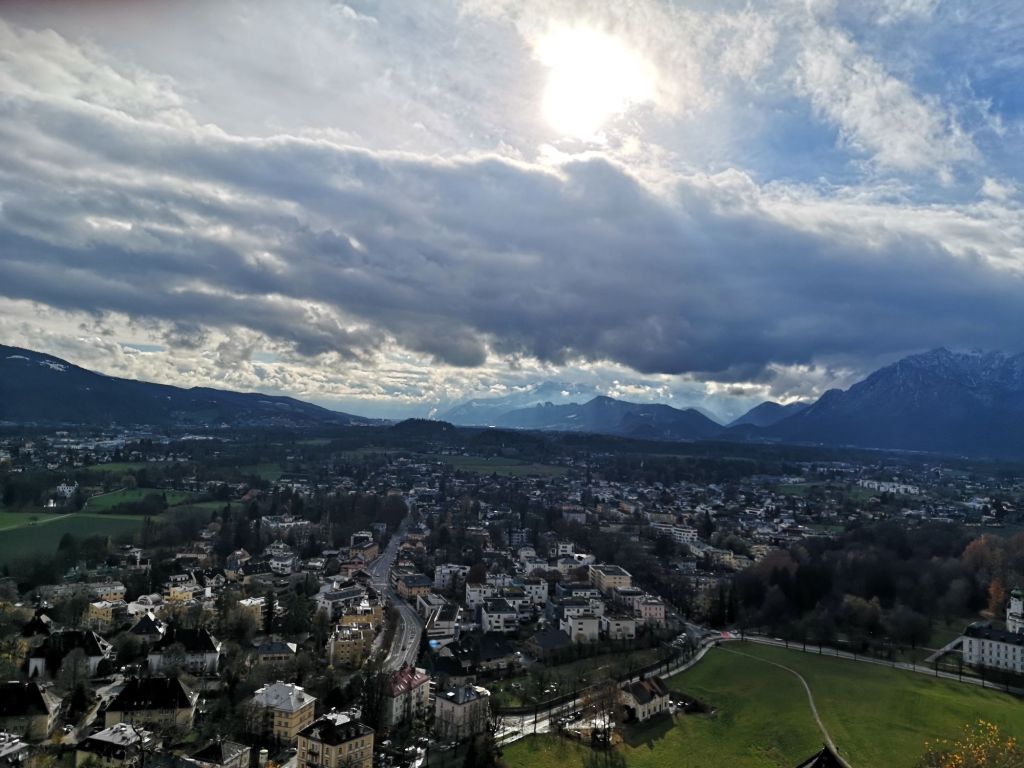
We went to the Hohensalzburg, a castle above the town, which you reach by a very quick and very regular funicular railway service. The Castle itself is not without its interest, but it is on my must see list because of the panoramic views of Salzburg that you can get of the mountains and the town below. I strongly recommend that you make this your first stop on the trip.
Mozart Geburtshaus
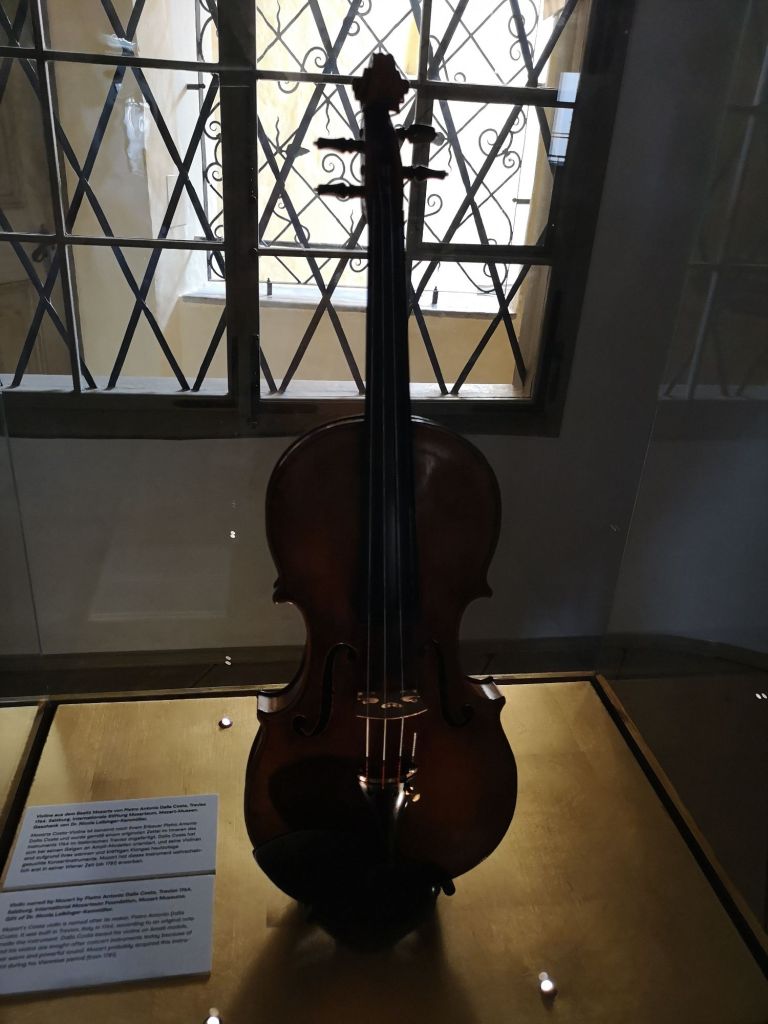
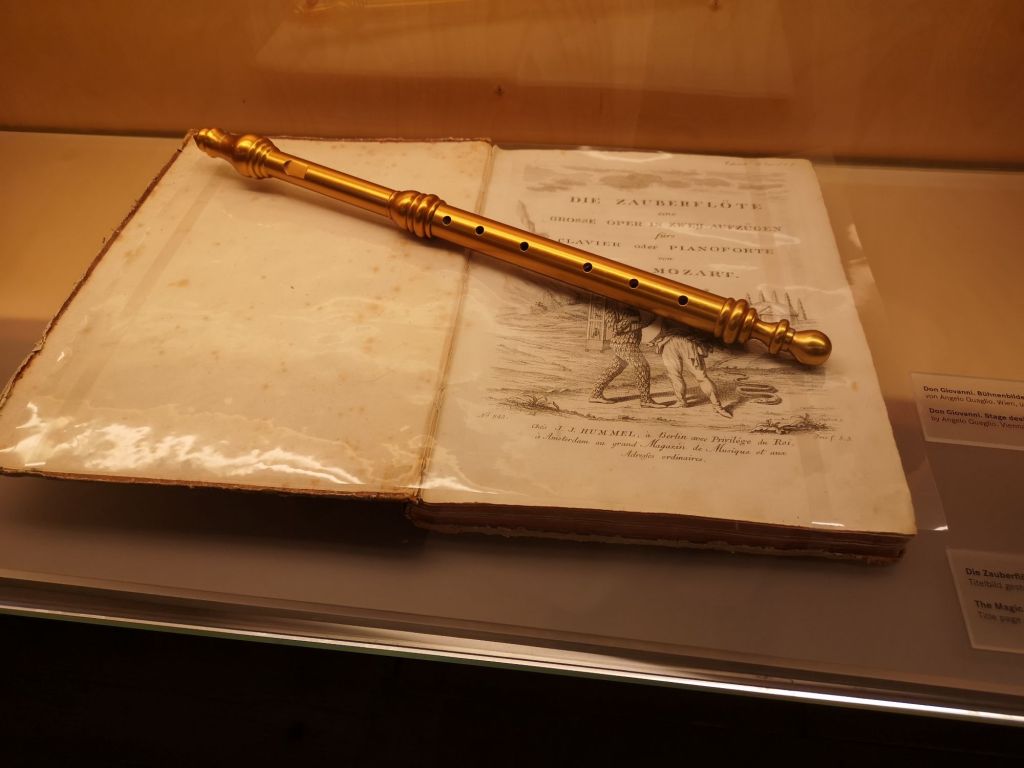
The birthplace of Wolfgang Amadeus Mozart is a must visit, whether you are interested in classical music or not. It is a place that has history and atmosphere in every brick and it can’t fail to fascinate. There are very informative blocks of text on the walls in both English and German, letters written by the genius himself and instruments that he played. I found it a most fascinating hour or so and I would recommend it to anyone.
Weinachtsmuseum
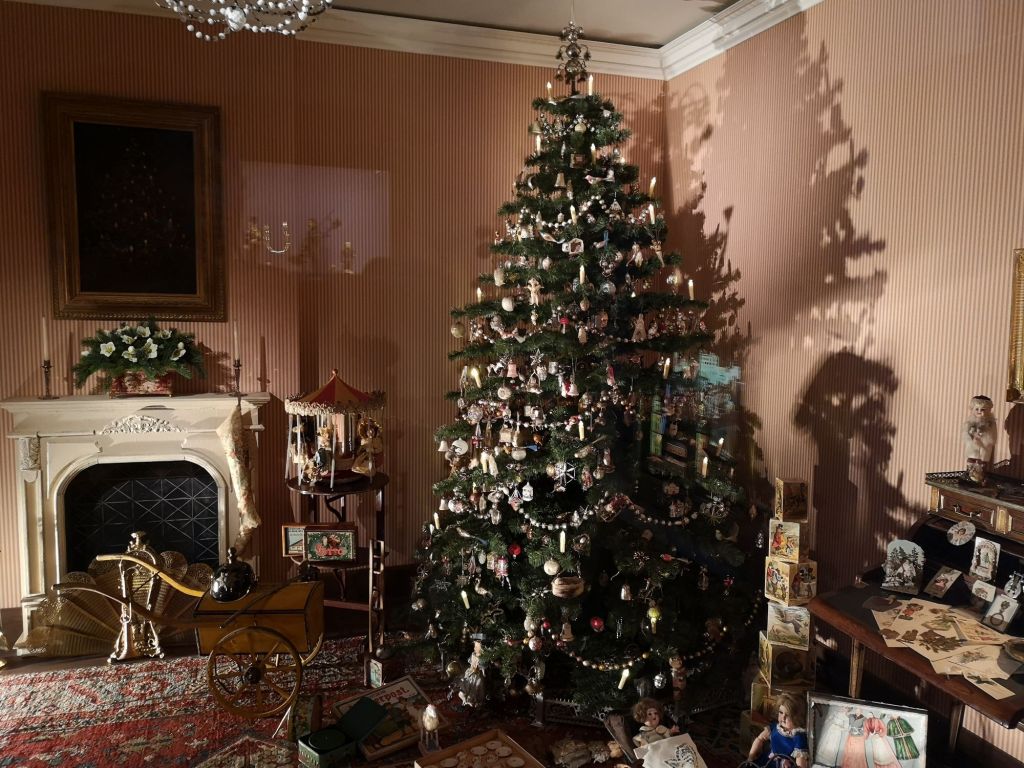
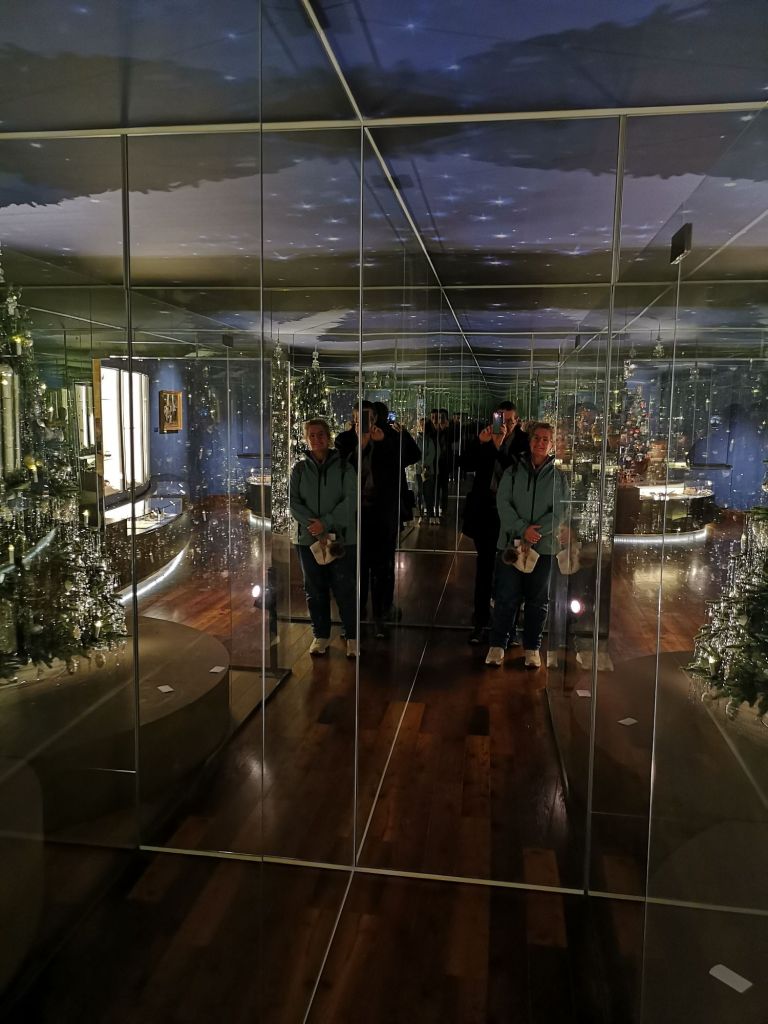
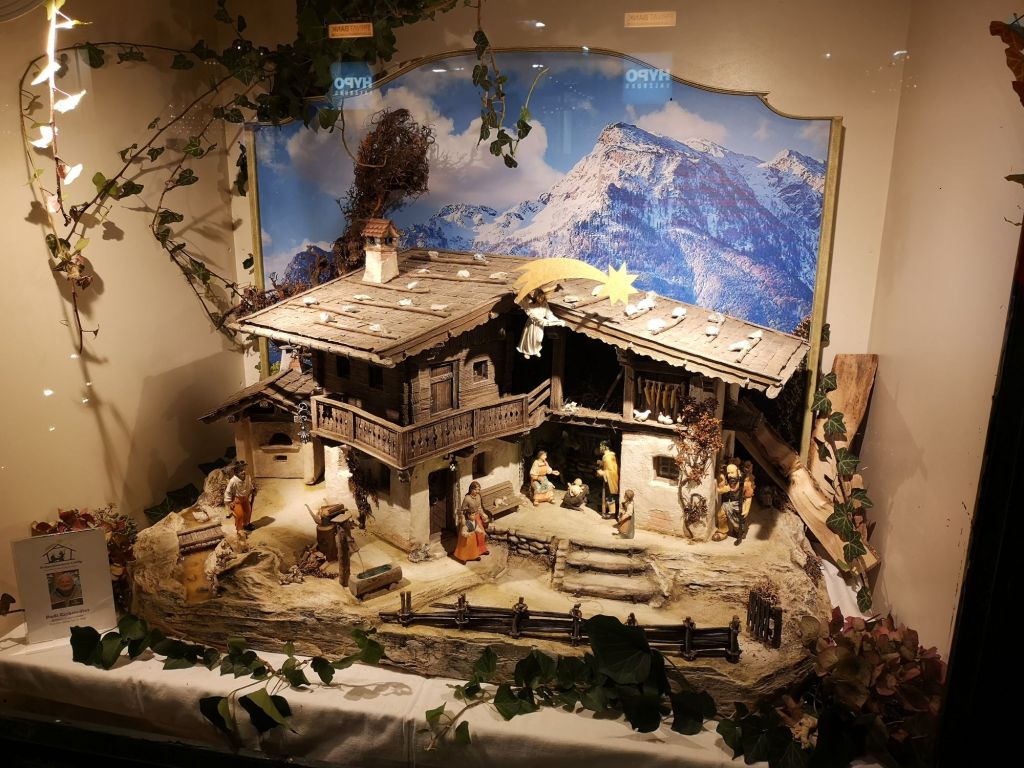
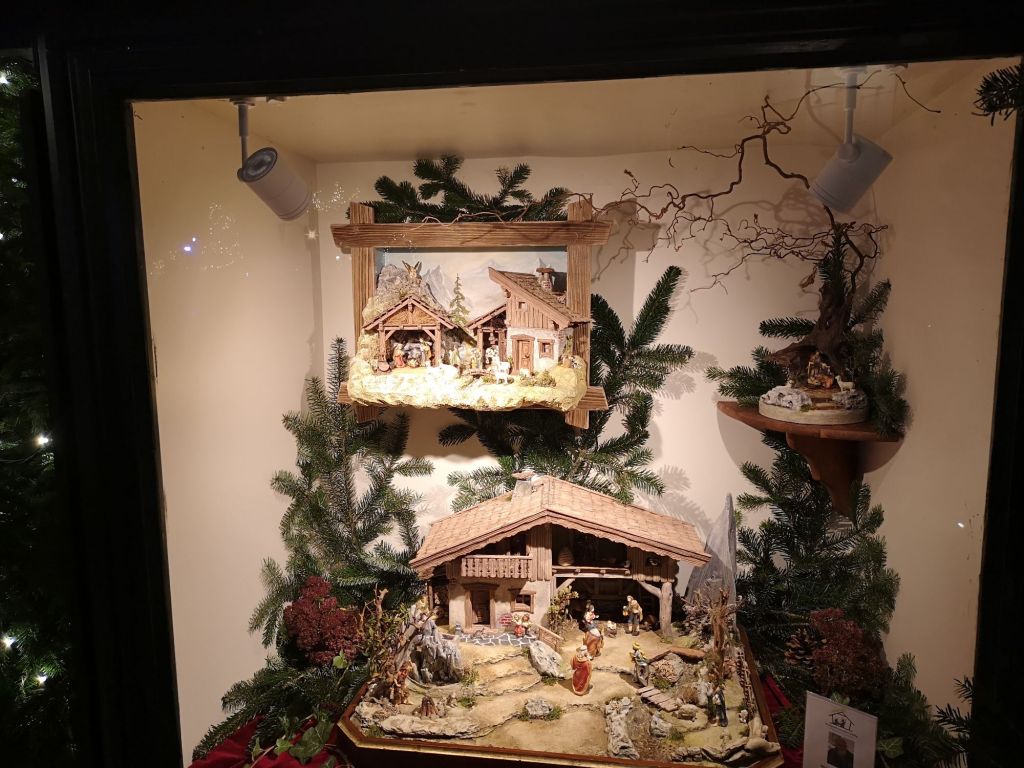
Salzburg’s Christmas Museum is an absolute labour of love showcasing the collection of Ursula Kloiber over a period of 50 years and reflecting the festive season in Salzburg over the course of a century from 1840 to 1940. Now, I am a Christmas fanatic, but I can’t hold an Advent Candle to Frau Kloiber when it comes to doing Christmas justice. It is social, cultural and seasonal history of a type that you couldn’t see anywhere else. I spent an hour in the museum and another 20 minutes in the amazing shop. Even if you visit Salzburg in August, you simply must see this museum which is open from Wednesday to Sunday each week.
Salzburg Cathedral
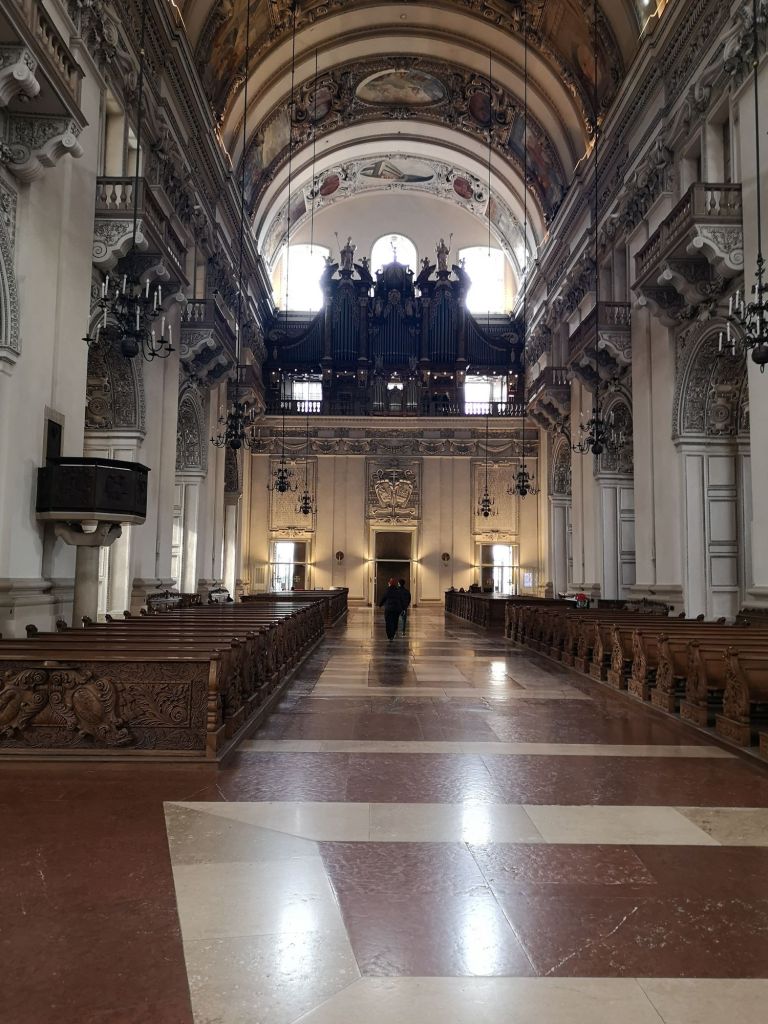
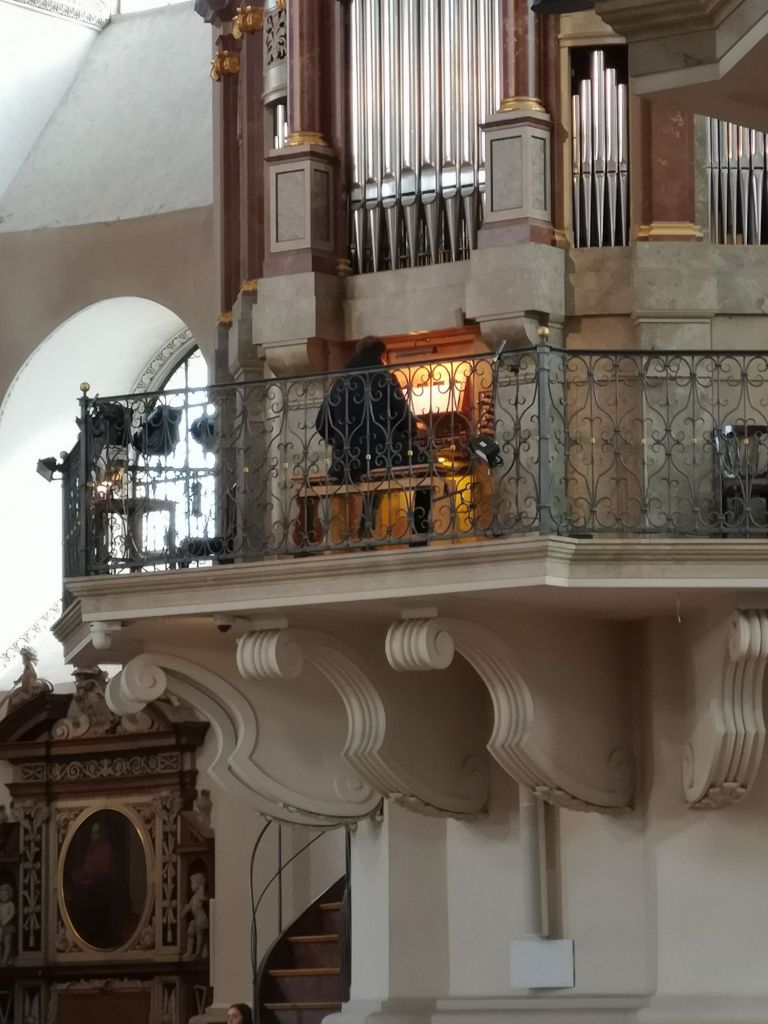
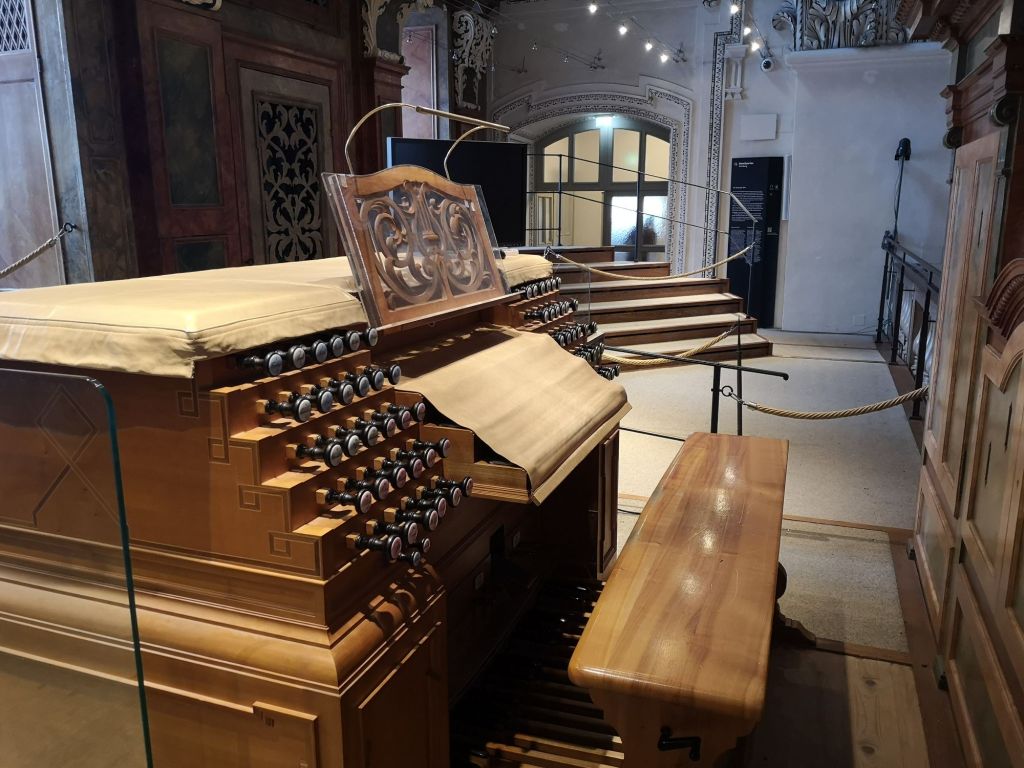
The city’s cathedral is an imposing and beautiful place. It is unlike any other cathedral I have ever visited, with ordinary windows replacing the stained glass of other large religious buildings and carvings and paintings being featured in a way I hadn’t seen before. It is a religious building first and foremost, not a tourist attraction in its own right as somewhere like Westminster Abbey is. However, you should try to get there between 11.30 and noon on any weekday in order to listen to the organ recital. The cathedral has seven organs of various sizes and specifications and when we went, the organist played four of them. In between the beautiful music we were given a history of the cathedral and an explanation of the development of the organs in the building. It was a fascinating, rewarding and awe inspiring half hour. If you can’t make it for the recital it is still well worth a visit but the recital makes it unmissable.
Dom Quartier
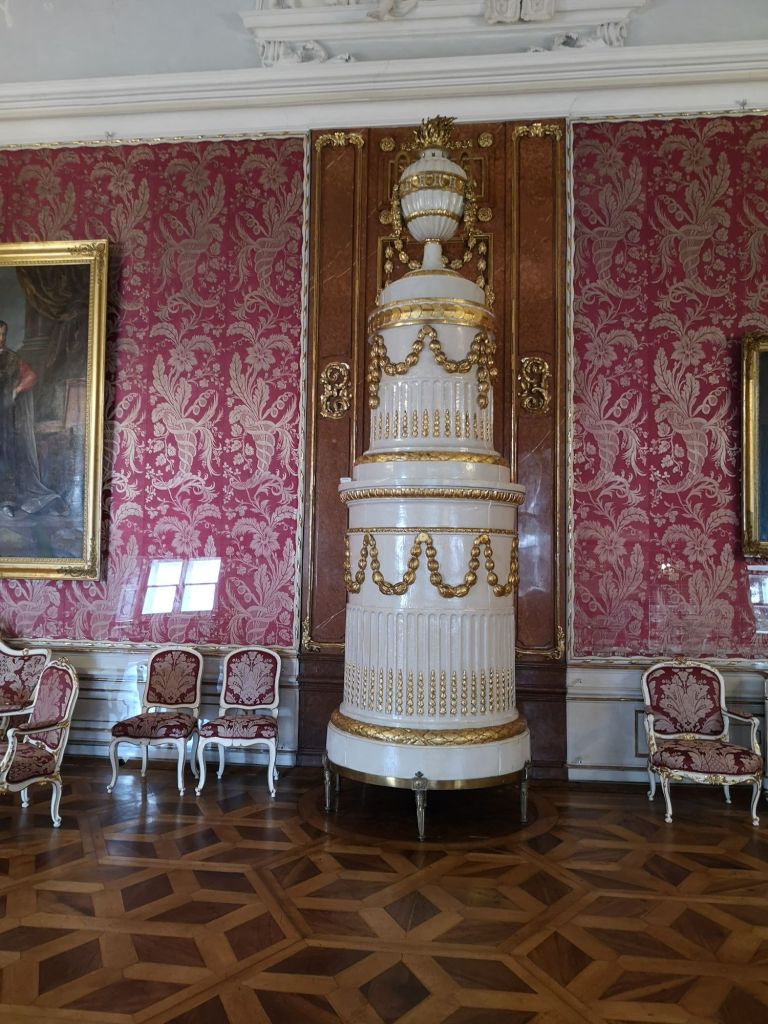
My final suggestion is a visit to the Dom Quartier building which houses paintings, costumes, sculptures and artefacts from the last millennium or more of Salzburg history. It is a long walk to the top of the building but you must follow the route through from the lower floors through to the top. We decided to start at the top and were sent back downstairs to start in the correct place 🤣🤣 Ironically, the top floor is definitely the most interesting with artefacts from the cathedral, a marvellous bird’s eye view of the cathedral and the opportunity to see the largest organ up close. It’s a very interesting place but definitely go early on in the day because if you add it to the end of a full day’s walking you might not finish in one piece!
Christkindlmarkt
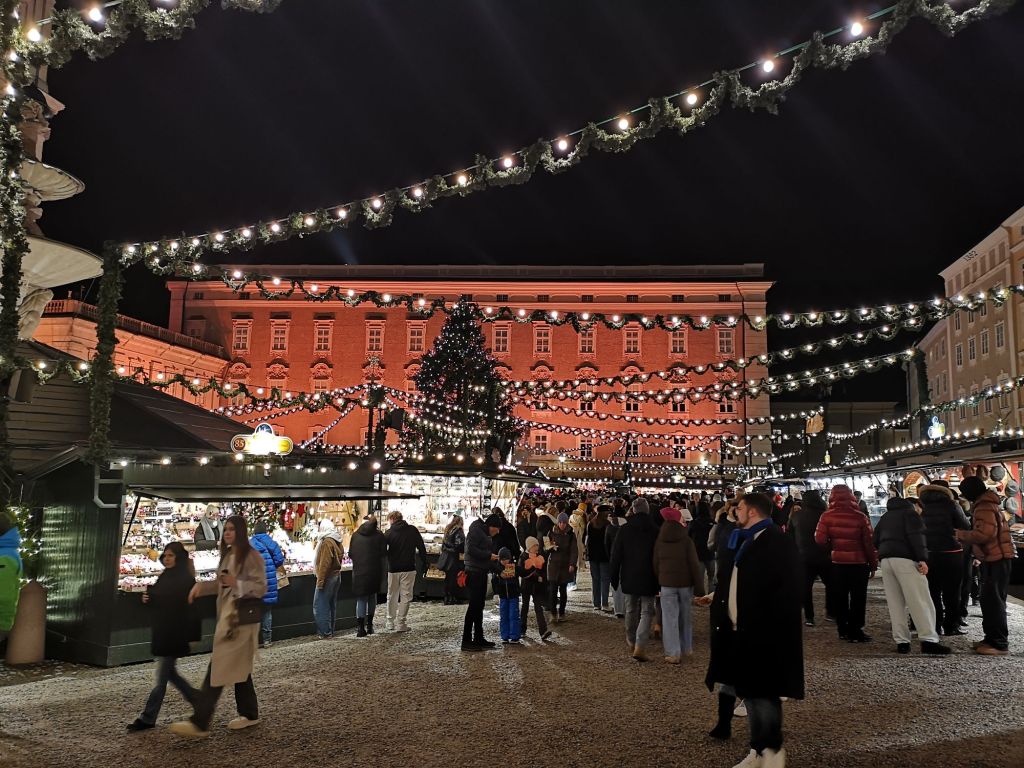
The Christmas Market season started on the Thursday we were there, and was our reason for going in November. There are Christmas Markets throughout the city, but the Christkindlmarkt is the main market for locals and tourists alike. It was a truly magical experience. I had never visited anywhere quite like it. The Christmas Markets in the UK are, in the main, utilitarian and imitations of the real thing. Christkindlmarkt is steeped in Christmas. Yes, the booths are looking to make money, but they do so in a way that seems to perfectly reflect the best aspects of the celebration. There is a feeling of excitement and joy in the air, and no other place has made me feel so Christmassy. Given that I am a total fanatic for Christmas I don’t say that lightly. So what is my advice to those venturing to Salzburg for the market?
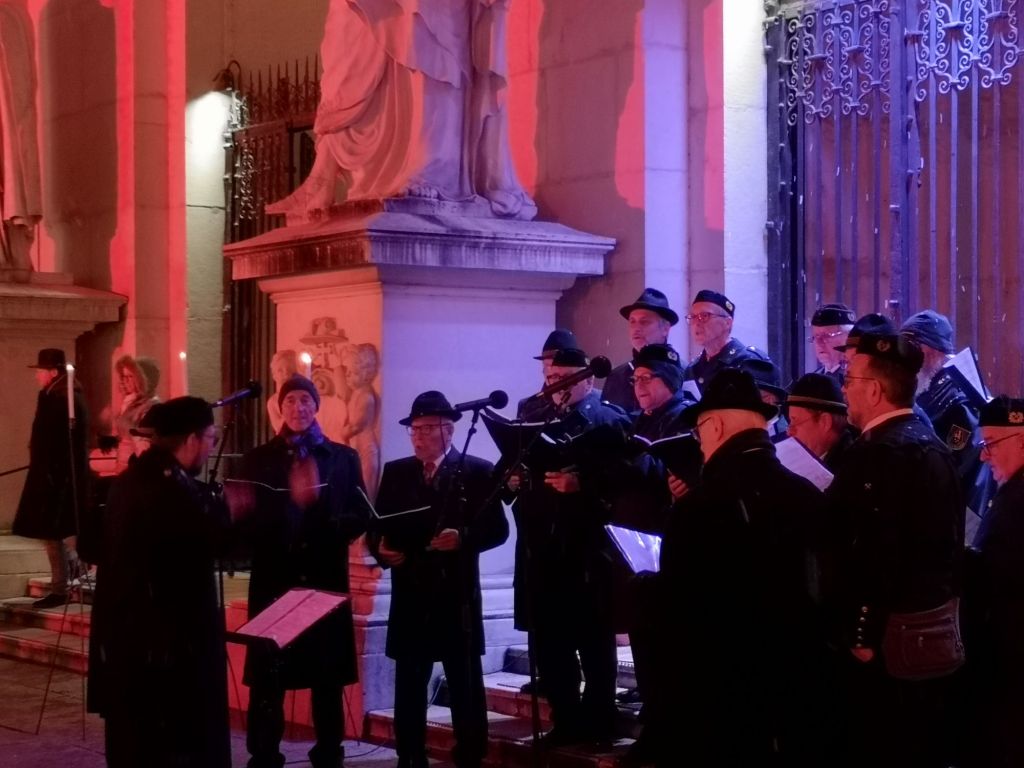
First of all, take cash and lots of it! Very few of the stalls work with credit cards and none with phones. (As an aside, I saw more people paying with cash in Salzburg than I could remember in about a decade. Cash is not necessarily king outside the Christmas Markets, but it is definitely still in the mix in a way it no longer is in the UK.) Next, take two trips to the market on your first day, one in the morning to get an idea of your surroundings and to try to remember which stalls you want to come back to, and how much your chosen items will cost to ensure that your cash will last. (Spoiler alert – it may not work! It certainly didn’t for us!) By coming in daylight, you can see the market with fewer people around. After dark, it is packed. However, it’s not a scrum pushing and shoving, just a large number of relaxed, good natured and generally very polite people who are there to enjoy some of that Christmas magic. On the second day we went back at 5pm to listen to a choir sing Christmas Carols. We were there to listen to the MGV Lamprechtshausen a male voice choir singing carols I had never heard before, with the exception of a German language version of O Come All Ye Faithful. They were incredible and it was an absolute privilege to listen to them. After this we went in search of souvenirs and Christmas decorations with a proper dose of Christmas spirit coursing through our veins.
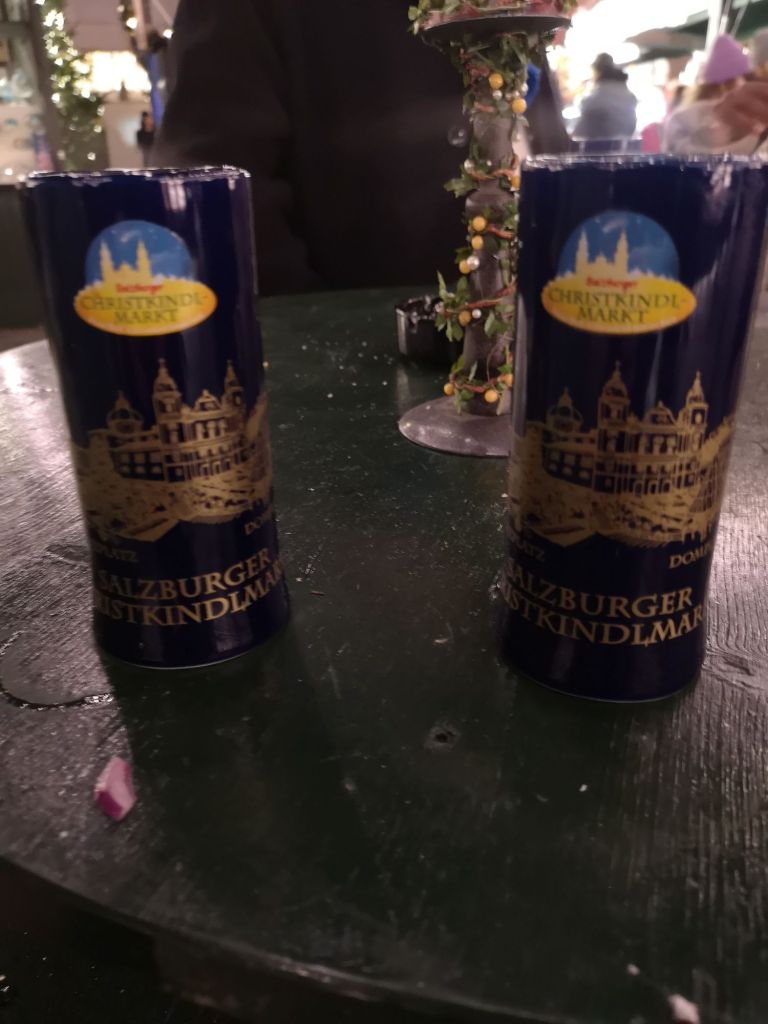
Eating and drinking is definitely something you will want to do within the confines of the market. There are stalls serving local delicacies and I cannot recommend the Breze stall highly enough. These German pretzels are huge and will satisfy all but the biggest appetite. We had olive and chilli cheese breze which were delicious. The best place for a traditional drink is the Lions stall, which raises money for charity and provides a choice of alcoholic and non-alcoholic drinks, with Gluhwein being my wife’s favourite and Apfelpunch being mine. As a real bonus, the drinks come in souvenir Christkindlmarkt mugs. You can return them and get 4 Euros back, but we took ours home and, unless you already have them, you will want to as well.
Final Thoughts
The bus service in Salzburg is incredible and we used it whenever we wanted to get somewhere and we had done enough walking! We were staying in the Best Western Plus Almedia Art which was very comfortable and right next to the bus stop when we came back from town! You will get a Guest Mobility Ticket from the hotel after paying a small tourist charge that will cover you for your whole stay but you must remember to ask for it. Your bus travel is also part of the Salzburg Card which is an absolute must as it gives you free or reduced entry to pretty much all the sights of the city. You can get it online or go to the Tourist Information office, as we did, to get the physical card. For 72 Euros you get three days of free entry and its worth every cent. Use a little bit of German if you can, as it really makes a difference. Finally, just enjoy one of the loveliest and most relaxed cities in the whole of Europe.
 David Pearce - Popular Culture and Personal Passions