
What are your favorite sports to watch and play?
When I went over to Japan in 1995, Sumo was already on my radar because of Channel 4 in the UK, which covered the sport for about a year or so in the late 80s. The sport immediately fascinated me, but when it stopped being shown I pretty much forgot about it because there was no other way to access Sumo in those far off pre-internet days!
I got over to Japan at the end of July, just after the end of that month’s tournament so my first experience of live day by day Sumo was in the September tournament (they are held in January, March, May, July, September and November) and I was instantly hooked once more. I was able to use that interest to learn some Sumo specific Japanese which enabled some rudimentary conversation to take place. Sadly, for a variety of reasons, lifestyle, time, stresses and lack of aptitude my everyday Japanese stayed at a disappointingly low level. Unfortunately, some of my colleagues considered it was the result of laziness and lack of interest without knowing the full story. Sumo and Japanese baseball were my way in with the students who appreciated me more than many of the adults!
Sumo is fascinating because it is a combination of history, religion, culture and sport. Although it skews towards an older demographic, in a similar way to cricket in the UK, there are always young people who are interested in the sport and adults who rediscover the sport as they get older. Once you start watching it regularly, you can become a fan of particular rikishi (the Japanese term for participants) and root against others. They are not just faceless fighters but real characters on and off the dohyo (the ring). Currently, the Sumo ranks are packed with characters. Ura, is a small, compact rikishi whose fights feature rare winning moves that he has developed to help him compete with opponents who are much bigger and taller. Tamawashi is the Iron Man of Sumo who has just celebrated his 41st birthday and is still fighting at the highest level. Aonishki is a Ukrainian rikishi who has won the past two tournaments with dynamic fighting. He is currently an Ozeki, the second highest rank. At the highest rank are two young Yokozuna, Onosato and Hoshoryu who are both incredibly exciting rikishi who have been so good over the past two years in particular that they have raised the standards of the sport as the rest of the field train and fight harder to ensure that they can compete.
Sumo is an incredible experience live and I was lucky enough to go to the Nagoya Basho (tournament) twice in my time in Japan. When (hopefully) Janet and I go to Japan again, it will be on an odd numbered month and we will be going to at least two days of the tournament. It’s a sport we love and every two months we look forward to seeing our favourite rikishi, and those we don’t like, fight it out!
What would you do if you won the lottery?
Once again, this is very similar to a previous prompt. I don’t know if it is deliberately done or whether the AI algorithm just gets asked for any random prompt it can suggest. Anyway, I thought I would look at the issue with the lottery as a concept that keeps people dreaming rather than focusing on the reality of their situation, even if it’s just for a couple of hours a week.
When we look at the lottery of life, we see people who start with at least four out of the six numbers on their entries. They have rich parents, they go to private schools and in those schools they meet the people who will smooth their way through life through the network of contacts who they can call on whenever they need a favour. They can afford to work for free on internships even if they don’t really need to. Their path to the jackpot of life is gilded and straightforward. Now I know what some people reading this will say. They will point to the people who started off with no numbers on their entries but still hit the jackpot. I realise that this happens very occasionally, but it is vanishingly rare in every walk of life apart from sport, and they have a different trajectory as a result of their talent. For every person who succeeds, and supposedly proves that success is possible for everyone, there are 99 people who do not. It’s not to do with effort, despite what the influencers will tell you, because the vast majority of those who do not hit the jackpot try just as hard as those who are fortunate enough to succeed. Although they don’t know what necessarily causes them to fail, they will be told it’s down to them. The myth of a meritocracy where it is down to talent and hard work is, for the vast majority, just that, a myth. The Lottery of Life is simply stacked against anyone who is not from the upper echelons. Even if they get to the top through luck and merit they are looked down on by those who got there thanks to their advantage of birth.
Do I despise success? No, I don’t. What I do despise is the narrative that it’s all about you and your efforts as it is incredibly damaging to individuals and society as a whole. Now, I am going to finish this blog and spend a few quid on tonight’s lottery!!
What books do you want to read?
Ever since I first learnt to read, I have read books from any genre, both fact and fiction, academic and non academic, funny and sad. I can’t keep to any single type of book and I would never want to.
When I first started reading I loved comics like Action, Victor, TV21 and, of course, The Beano. I used to lie in bed for ages reading by torchlight and I would read most of them over and over again. When I started to move onto books, I was buying books from Target’s Doctor Who range, Michael Bond’s Paddington books and the Narnia books. I also liked certain fact based books. For example, I had (and still have!) a Crazy but True fact book which I probably drove everyone mad with at the time constantly reading out random facts! Later on I was definitely interested in the unexplained, having a book of mysteries at sea and The Vampire in Legend, Fact and Art. Around the same time I would be found with my head in one of the Ladybird history books, something that I really enjoyed because they were proper pocket money books and I could buy at least one or two a month.
As with so many other things, secondary school severely dampened my enthusiasm for reading and in my teens I was much more likely to be listening to music or watching TV. After I left it took me two or three years to regain the reading habit, but when I did it was through reading the entire R F Delderfield novels that were available in the W H Smith across the road from my office. I read only his novels for about 6 months, going from To Serve Them All My Days, to A Horseman Riding By, to Diana, then The Avenue Saga, and finally the Swann Family Saga. The only other time I did anything similar was in Saudi where the library on the base had about twenty Terry Pratchett Discworld books and I read all of them, with just the odd Inspector, either Morse or Wexford thrown in!
I was a fitful book reader for a while during my twenties and thirties, going from reading voraciously to hardly reading at all depending upon how I felt and what was happening in my life. Then, I started commuting to London and I rediscovered books with a vengeance. Apart from a couple of years when I was writing my own stories, I was hardly ever seen without a book on the journeys to and from the capital. I started becoming very wide ranging in my tastes, going from autobiography to music history, from historical novels to social history novels, from crime novels to romance novels. I read anything and everything and I loved having the opportunity to explore new authors, new genres, new subjects and new stories.
I couldn’t imagine my life without a huge range of reading and, although I don’t read anything like as much as did on my commute, I still love the excitement of discovering a new author and the comfort of rereading an old one.
Write about a few of your favorite family traditions.
Yes, I know Christmas is over for another year, but I really can’t think of another time where family traditions are so integral to the way that we act and interact.
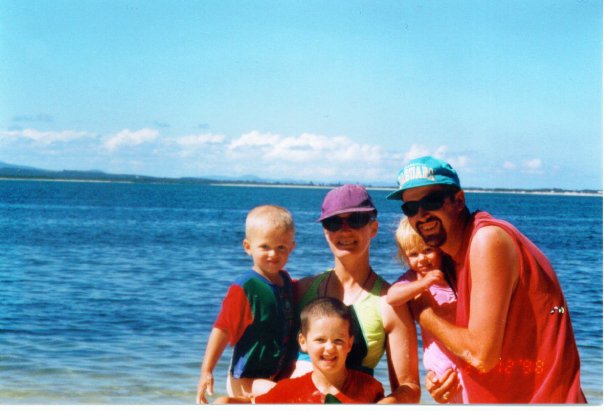
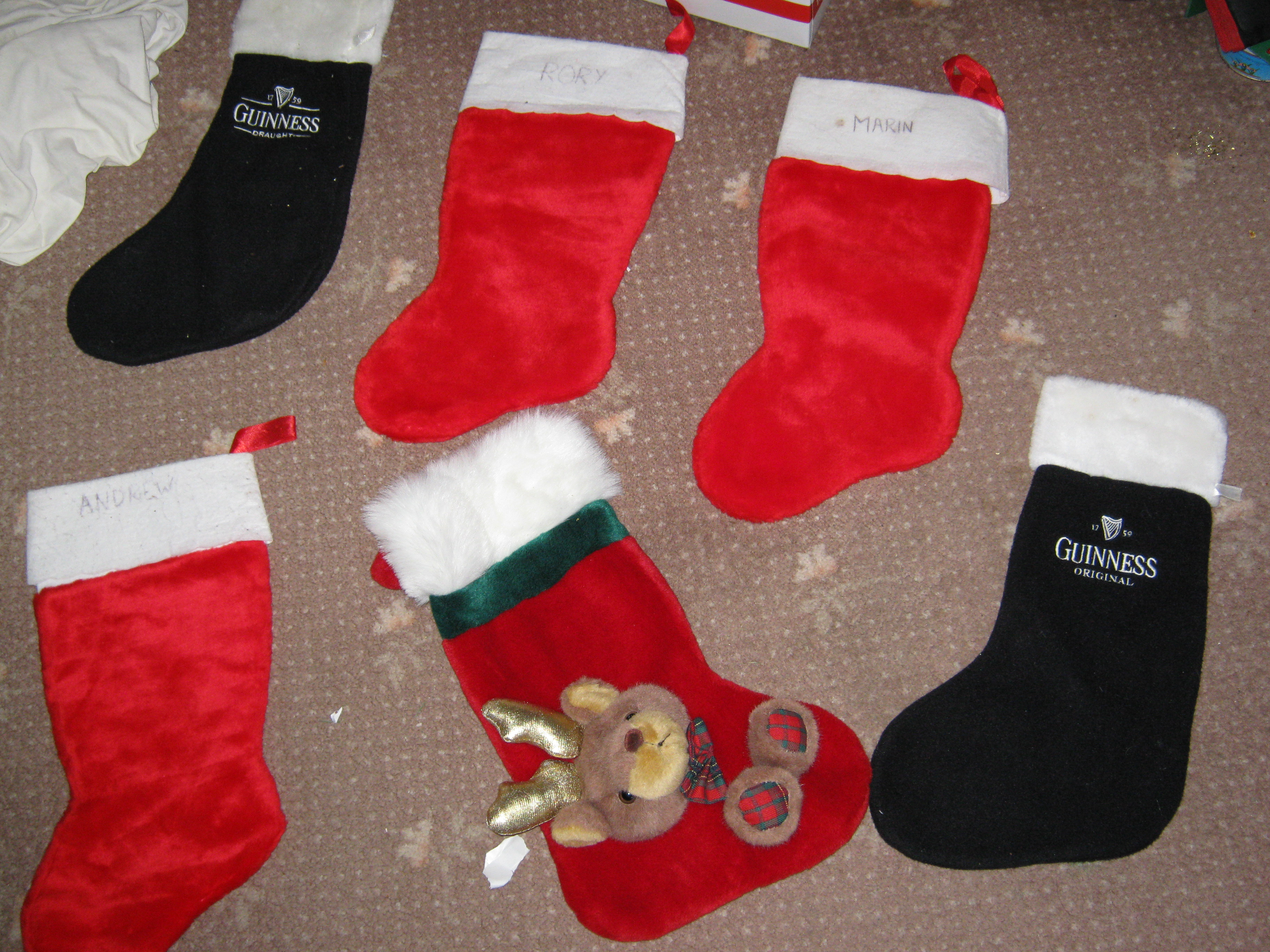
When we had children, one of the things I looked forward to most was Christmas. As a child I had always found Christmas magical and I couldn’t wait to pass that magic on to my own children. Over the years, a whole tapestry of Christmas traditions grew up as the children did. The first was Christmas stockings and a sign saying Santa Please Stop Here. We got both from a shop on the outskirts of Sydney as we prepared to spend Christmas at a little place called Nelson Bay to the North of Sydney. Our youngest at the time was nearly two years old and she understood that something special was happening. We ended up bringing the Santa sign and the three stockings back with us, and they are all used to this day, having been in the centre of our Christmas since 1998!
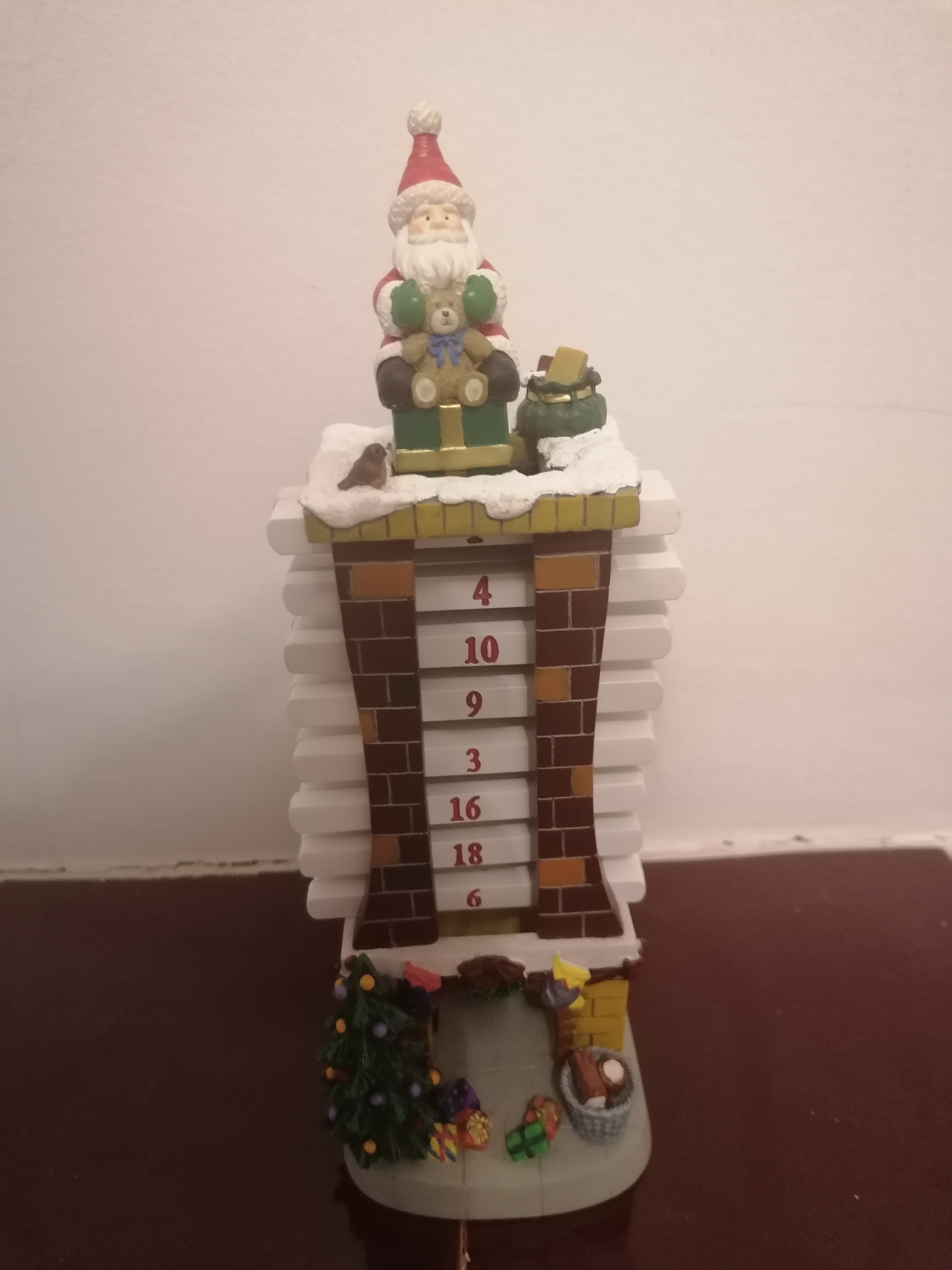
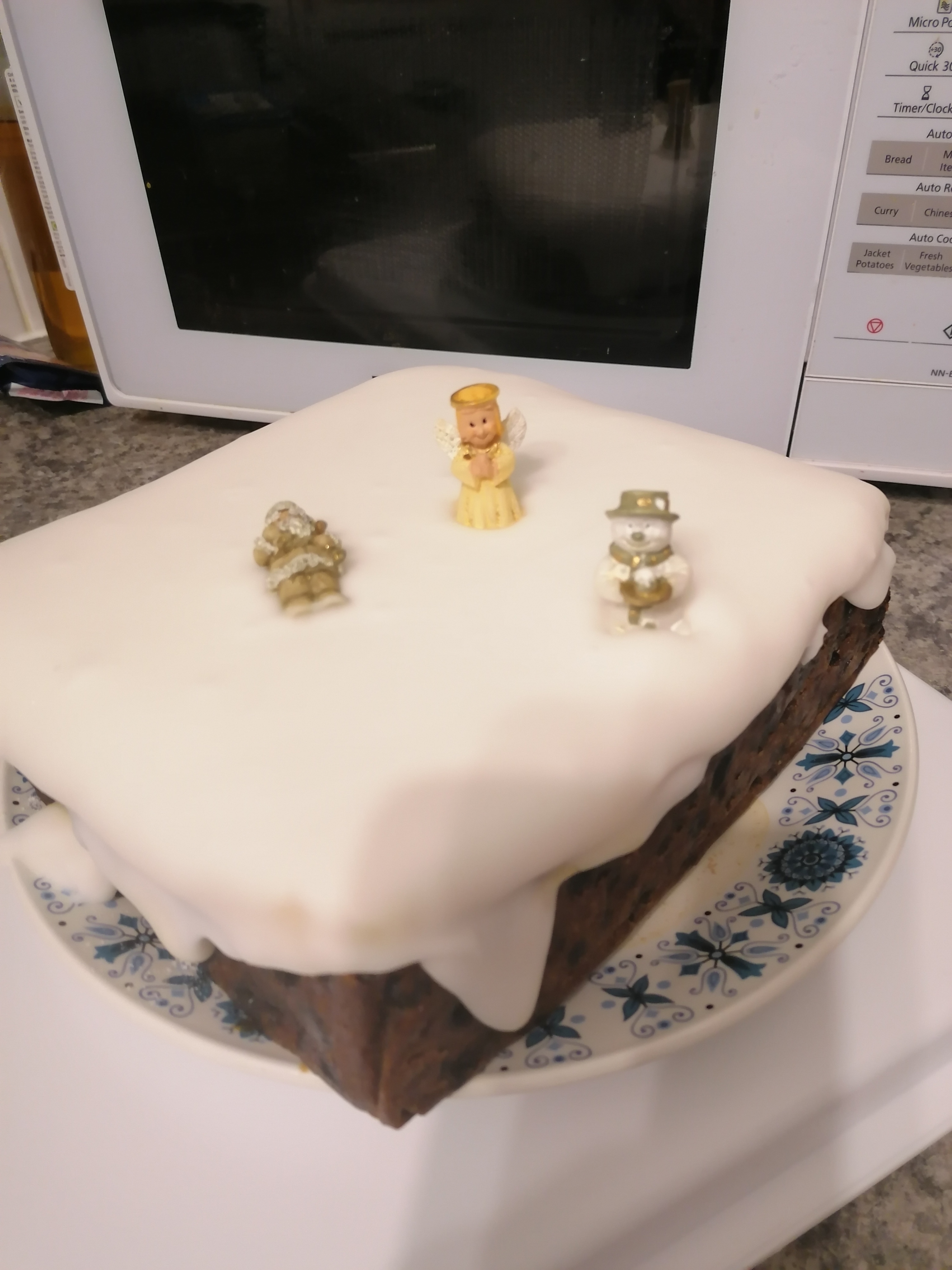
We have ornaments that are brought out every year, my favourite of which is an Advent calendar in the form of Santa going down a chimney. I bought that from a charity shop for about £3 back in 2005 and for years, our children took turns in removing the numbered rods underneath Santa to send him down the chimney. Early in 2006 I bought a set of cake ornaments consisting of a Santa, a Snowman and an Angel for 13p and they are placed on top of our cake every year. A definite bargain I’m sure you will agree!
One tradition that I am sure our children will be happy to jetison for their own Christmas started through practicality. As you will know from your own childhood, children tend to rip off the wrapping paper on every single present as soon as they see it. It was exhausting for them and for us to be so over stimulated, so we made it a tradition to open presents one at a time so that they could properly appreciate them. In that way we could easily make present opening last until December 27, and, so I told them, make Christmas last longer! My youngest daughter in particular complains about this every year and says that when she has her own Christmas she will open everything all at once! We shall see!
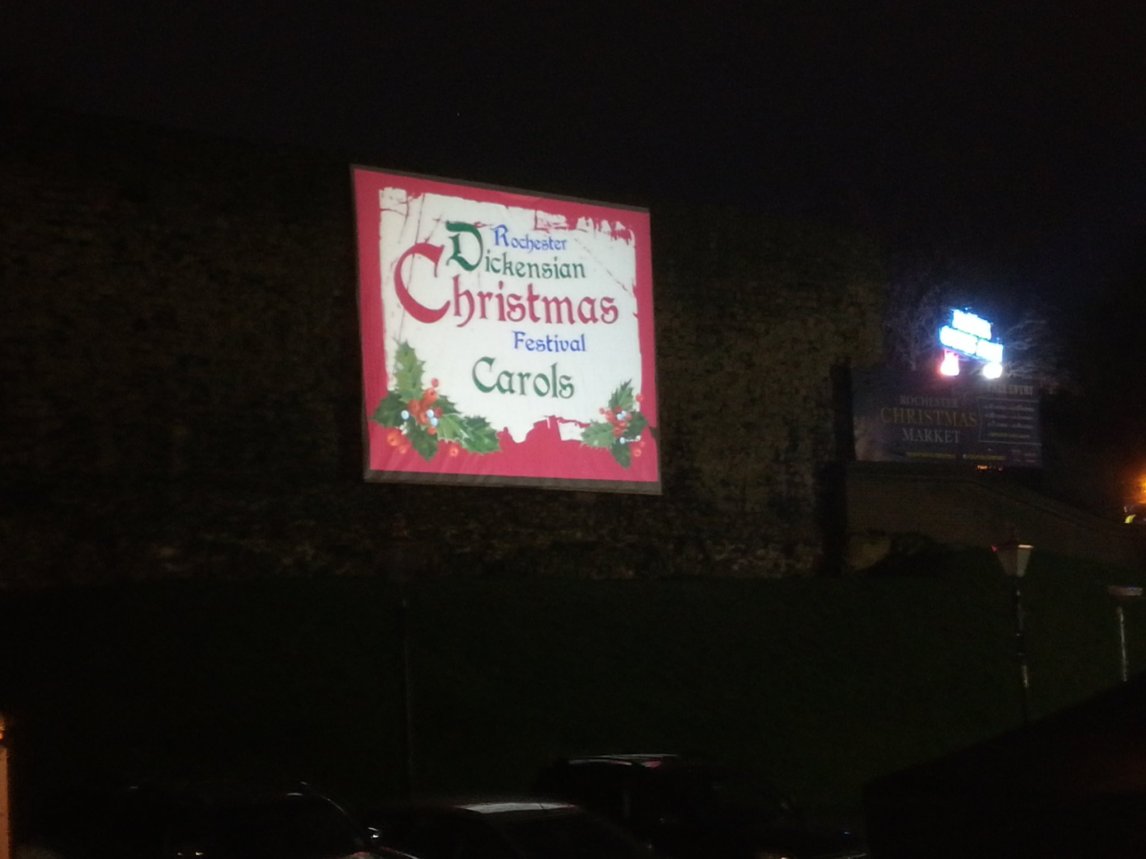
Our final traditions are watching Love Actually together as a family and going to the Dickens Christmas Festival with as many of the family as are available. It’s nice that three of the children still make both of those things part of their Christmas build up.
Christmas is all about traditions and when they have their own houses our children will keep some of ours and ignore others as well as introducing some of their own. That is what makes Christmas such a special time of year.
What do you enjoy doing most in your leisure time?
These prompts do tend towards repetition from time to time and I have been answering them for the best part of seven months now. I actually like that because it gives me the challenge of thinking of a new way of answering similar questions. So today I am going back over four decades to look at the way that I spent my leisure time before computers and smartphones took over our lives.
As a child, teenager and young adult I was used to activities that involved friends. Whether that be Scouting, parties or drinking (sometimes all three were very much linked especially in Venture Scouts!!) we were focused on having fun and deepening our ties as people. Conversations flowed, different groups of people talked together and we discussed pretty much everything under the sun. Now, I know that this still happens with my children and their friends, but if you drift out of the conversation you can immediately focus on the screen in your hands. When I was younger, if you drifted out of a conversation you often carried on listening to it in case there was a chance for you to rejoin. If you were tired of conversation or, in your teenage years, a bit worse for drink you could have a proper break sitting on your own or walking outside for some fresh air until someone came to look for you.
When reading, you would be completely focused on the book in your hand. You wouldn’t be wondering how many people had read your latest blog post or Instagram post because those things only existed in science fiction. Instead of going to the phone if the book became hard going you would plough on. That didn’t mean that you finished every book, or that you didn’t get distracted, far from it. What it did mean was that you allowed your mind to drift to other things or to reflect on why the book wasn’t really grabbing you. I would often have three or four books on the go at the same time, which probably reflected my butterfly mind, and as a result I would find something to interest me. Should all of the books fall short it would be on to music.
Music in the pre Spotify age was a much deeper experience. You only had the records or tapes in your collection to work with, so you would listen to certain singles and certain albums time after time until you knew them perfectly. With a choice of a few hundred songs you would find them become an integral part of your life. They are songs you can listen to now and they bring back memories of people and places in a way few other things can. It’s inconceivable to me that you would be able to bring those visual memories to mind nowadays. No way could you remember and picture your surroundings the first time you heard a song on Spotify! Music has never been more accessible or more disposable because it doesn’t cost anything. Back in the days when you spent your pocket money on your records they meant so much more and you connected with them so much more readily. Obviously, artists become an integral part of young people’s lives, as the passionate crowds at recent concerts I have been to prove. Taylor Swift, Sabrina Carpenter and The Last Dinner Party all have absolutely passionate fan bases but I think that passion is far harder to come by.
Television was the central technology of my childhood and it was a live experience only. If you missed it, you missed it for ever (at least until video tapes and DVDs) so you concentrated on each programme more if you really liked it. If you didn’t enjoy it you had, at most, two other channels to choose from but with closedowns being common on the BBC and with few programmes, if any, starting before 9am, it was often a case of one channel or switching off. With no phone to double screen on your focus was only on the programme or the people you were with so you knew much more quickly whether you wanted to carry on with the programme or turn it off.
The most important part of your leisure time back in my younger days was boredom. That was what encouraged you to try something else or just sit quietly and allow your mind to wander. It was essential for you to experience boredom and Sundays were the perfect time to do that until the early 1990s when the shops were allowed to open. Sundays just stretched out endlessly unless you dreaded going back to school on the Monday, in which case they sped by. I credit my boring Sundays with giving me an imagination that I still value and use.
So, will I occasionally go back to a 70s and 80s style Sunday? Well, I often think I should and I intend to a bit more this year. My phone will go onto airplane mode and I will see if I can rediscover the joys and drawbacks of analogue life once again. Will that be possible? Who knows, but I will try it and write about it, so watch this space!
 David Pearce - Popular Culture and Personal Passions