
My Analogue Past
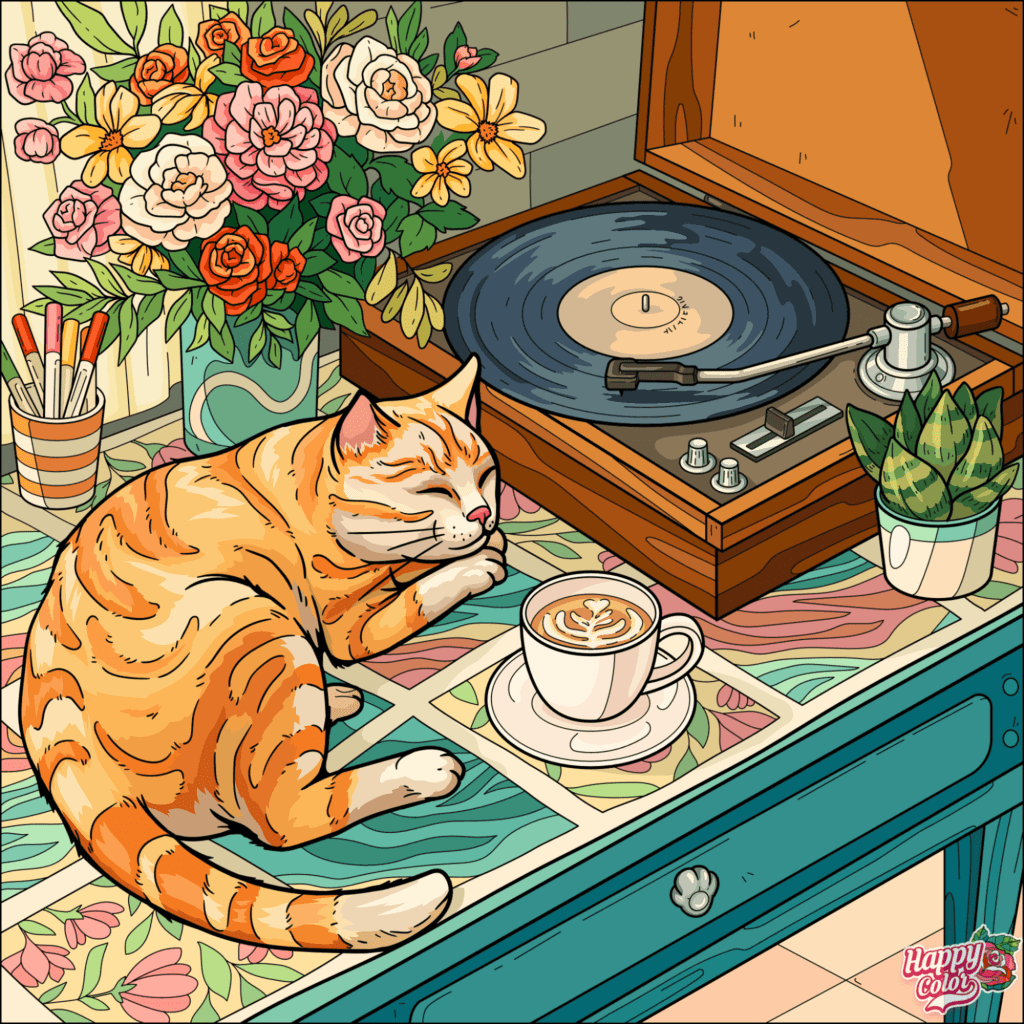
Your life without a computer: what does it look like?
I am still young enough (and ironically old enough!) to have spent more than half my life without a computer. I started on my Mother’s dial up connection in the late 90s and got our own computer when we moved to Hong Kong in 2002. Smartphones didn’t arrive for me until about 10 years ago. So I can easily compare the two eras.
The first thing I should say is that on balance I think it’s been beneficial for me and the vast majority of people to have a computer. Yes, there are a lot of drawbacks but there are also a lot of benefits. This post isn’t about that, but it’s worth bearing in mind. The second thing is that I am reflecting on my own experiences and they will, naturally, be different from everyone else’s. That said, I think they will be representative of the wider picture. Now those two caveats are out of the way, let’s get on with it.
When I was in my teens and twenties, the home phone or the payphone were my messaging system. Gavin, who was my best friend / partner in crime for many years, and I used to organise parties and pub visits using the phone in the same way as my children and their friends use WhatsApp. In many ways our system was far more effective because it was more difficult to ignore a phone call. If you didn’t answer it someone else would! Anyway, our organisation was top notch and we would each ring one other person and instruct them to contact their friends. Most nights that system worked like a charm.
At work, as I have noted in a previous blog post, the lack of computer support was an absolute boon to our work-life balance. No expectation of instant replies, no blizzard of emails, no Teams alerts. What a marvellous time to be working, comparatively speaking. Once you clocked off, your work was at an end until the following day. I genuinely think that work is one area where the drawbacks way outweigh the benefits. The only thing I wholeheartedly support is the development of online teaching because it means that you don’t have to commute. I know there are problems with that but it’s down to you as a teacher to draw students into the lessons, and in any case laptops or tablets mean that students can ignore you under the guise of following the lesson right under your nose.
Moving on to music, Spotify allows me to listen to a much greater range of new music and to focus on the music I enjoy listening to. However, the hyper indivualisation of music has led to a fragmentation of the musical landscape. This has made us much poorer in my opinion. Even if my Dad would occasionally look at the artists on Top of the Pops and say ‘What the hell is that?!’ he still knew what was in the charts. Now, the charts are irrelevant to probably 95% of people and artists like Wet Leg and The Last Dinner Party, who would have been huge in the days before streaming, elicit blank looks even from people who are in their potential audience. I would love to see the charts become a national conversation again, but that will never happen. Last year the BBC even canned the Christmas Day Top of the Pops, a decision which shows how irrelevant the charts have become. We need a show that gives us a look at the huge range of amazing new music, but who would watch it?
This leads me seamlessly to the irrelevance of TV to the current generation of teenagers and twenty somethings. They will binge watch Netflix, scroll through YouTube, Instagram and Tik Tok, but they don’t watch TV when it is broadcast unless it’s something like the Lionesses in the European Championships. It’s not just that demographic either. Older people watch less TV and we, certainly me, will often be scrolling at the same time. Back in the 70s you had to watch live, or you missed it. Series were one episode a week so you could allow the stories to develop slowly and discuss them with your friends. Now, conversations about TV run a huge risk of spoilers because everyone is at different stages. Bring back the days when 25 million watched Morecambe and Wise, Mike Yarwood and To The Manor Born or 30 million watched Eastenders. One episode a week is enough for anyone and binge watching is the work of the devil 🤣🤣.
Finally, keeping in touch. It’s easier than ever to keep in touch with people now but so few of us do any more than throw in a like or a comment. Our communication is far more wide ranging and far more superficial than it has ever been, at least for people of my age. I suppose it’s the equivalent of the old Christmas Card List, another thing that is steadily disappearing from our lives because of technology, in that it’s a duty rather than an attempt to stay in proper contact. We don’t even have round robins with a yearly round up, partly because it’s on Facebook but also because it became a source of ridicule via memes and Gifs. When I went to Japan in 1995, I wrote about 50 letters to friends in the UK in my first six weeks. About half replied but those that did shared real news and real emotions. Now, I can send a message or update to 75 people and once and get nothing in return apart from a few likes, and I can do the same in return. It’s keeping in touch, Jim, but not as we know it! I know we can overcome the technology to make our communications meaningful, but it just seems like too much effort for so many of us, definitely including me.
So, there you have it. My reflections on the prompt of the day. Without computers you, of course, would never get to read it. I will leave it to you to decide whether that is a good thing or not!!
Discover more from David Pearce - Popular Culture and Personal Passions
Subscribe to get the latest posts sent to your email.
 David Pearce - Popular Culture and Personal Passions
I agree about music and the charts: there are no “scenes” or tribes anymore, no democracy in the Top 40. For all the benefits of streaming, catch-up tv and the internet in general, it has led to a fragmented society. We rarely share moments as a nation. And for all social medias ability to connect us, people seem to be lonelier than ever.
LikeLiked by 1 person
Absolutely. It’s not a good situation. I wish we had those big shared Christmas programmes again. Younger people do have shared music and TV still but it is in small pockets.
LikeLiked by 1 person
There are various reasons for our fragmented society and I agree tech is one which gets overlooked in the national conversation. In fact, I wonder to what extent a national conversation can even be said to exist now many of us are in our own bubbles.
LikeLiked by 1 person
It’s funny that it’s become as unremarkable as turning on a light in so little time. Yes, as Adam Alter made clear we are encroaching into the space where the magic happens.
LikeLiked by 1 person
Great reference
LikeLiked by 1 person